Book Now

What is Asian Rhinoplasty?

Asian rhinoplasty is fundamentally different from traditional reductive rhinoplasty. Rather than removing structure, it often requires strategic augmentation, support, and precise shaping to enhance definition while preserving ethnic identity and facial harmony.

The goal is not to create a Western nose—it is to create a nose that looks natural, balanced, and appropriate for your face.

Before & After

To see more rhinoplasty before & after results, schedule a consultation to come into our office in Dublin, California, conveniently located just 15 minutes south of Danville.

BOOK NOW

*Results for each individual patient are not guaranteed. 

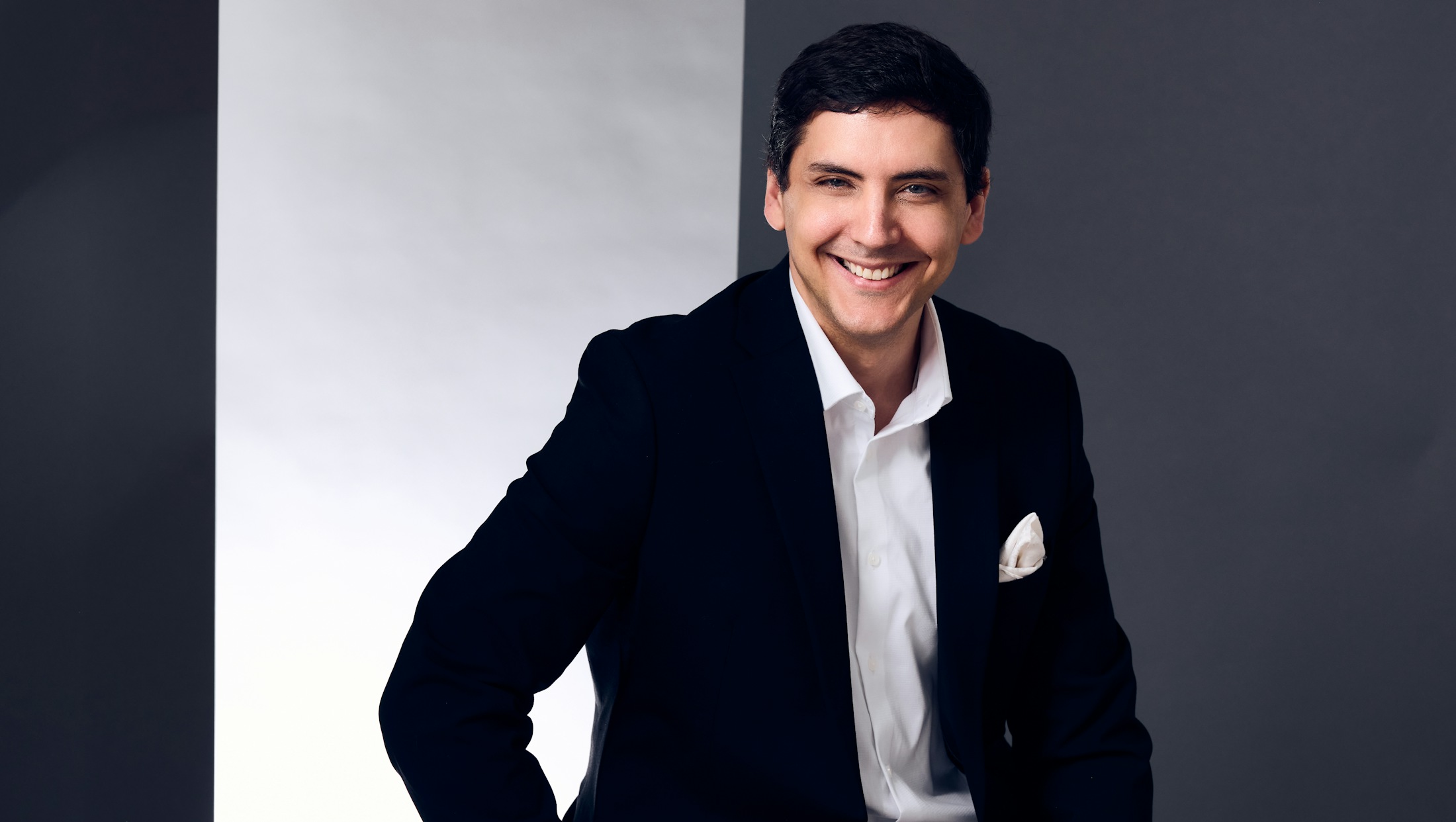
Dr. Philip Wasicek smiling

Dr. Philip Wasicek, Asian Rhinoplasty Specialist

Dr. Wasicek is a double board-certified plastic surgeon with a dedicated focus specializing in facial aesthetic surgery, with particular expertise in primary and revision rhinoplasty

Doctor credentials
Doctor credentials
Doctor credentials
Doctor credentials
Doctor credentials
Doctor credentials

Why Choose a Specialist for Asian Rhinoplasty in the Bay Area?

Asian rhinoplasty is a fundamentally different type of surgery requiring specific skills and understanding of ethnic anatomy. Not all rhinoplasty surgeons perform asian rhinoplasty as it frequently requires experience with advanced techniques such as rib cartilage grafts.

Effective dorsal augmentation, increasing tip projection and definition, managing a thick and tight skin envelope, as well as maintaining or establishing the appropriate tip rotation are critical maneuvers and considerations of a good result in asian rhinoplasty. Experience matters.

Banner media

A Customized, Structural Approach

Many Asian patients seek improvement in:

  • Low or flat nasal bridge
  • Under-projected nasal tip
  • Wide or rounded nasal tip
  • Alar flare or nostril asymmetry
  • Poor tip support


Successful Asian rhinoplasty requires an in-depth understanding of skin thickness, cartilage strength, facial proportions, and long-term stability. Augmentation must be thoughtfully planned to avoid over-projection, warping, graft resorption, unnatural contours, or other complications.

My approach emphasizes:

  • Structural support and stability
  • Natural-looking dorsal augmentation
  • Controlled tip definition without sharp or artificial edges
  • Preservation of ethnic features

Cartilage-Based Techniques & Long-Term Stability

I favor cartilage-based techniques to build and support the nose. I do not perform silicone nasal implants. In many cases, there is not enough excess septal cartilage and so this typically requires using your own rib cartilage or cadaveric rib cartilage. When possible, I prefer using a patient’s own rib cartilage. Depending on needs, cartilage from ribs 6, 7, and/or 8 are utilized. Enhanced recovery pathways to minimize pain medication usage are employed including the use of long acting numbing medication (Exparel) that typically lasts for a few to several days after surgery.

Depending on your anatomy and goals, I frequently augment the dorsum with either en bloc rib cartilage graft or diced cartilage (typically wrapped in fascia). Using your own tissue allows for: 

  • More natural contours
  • Reduced long-term complication risk
  • Improved durability over time 

The focus is on creating a strong, well-supported nose that maintains its shape as swelling resolves and healing progresses.

Banner media

Asian Rhinoplasty Recovery Timeline

Rhinoplasty recovery is a gradual process that requires patience. While early improvements are visible within weeks, the nose continues to refine subtly over many months as swelling resolves and tissues heal.

Week 1: Immediate Recovery

  • Nasal splint and external support in place
  • Swelling and bruising around the eyes and nose are expected
  • Nasal congestion and pressure are common
  • Most patients take 7–10 days off work or social activities
  • Splint is typically removed at the end of the first week

Weeks 2–3: Early Healing

  • Bruising largely resolves
  • Swelling continues to decrease
  • Most patients feel comfortable returning to work and light exercise
  • The nose begins to look more natural, though still swollen

1–3 Months: Visible Refinement

  • A significant portion of swelling has resolved
  • The bridge and profile become more defined
  • Tip swelling is still present, especially in thicker skin
  • Breathing continues to improve as internal swelling subsides

3–6 Months: Ongoing Definition

  • Continued softening and refinement of the nasal tip
  • Improved contour and balance with the face
  • Most patients feel confident socially and in photographs

6–12 Months: Near-Final Result

  • Subtle changes continue, particularly in the nasal tip
  • The nose feels more natural and stable
  • Breathing function continues to normalize

12–18 Months: Final Outcome

  • Final shape and definition are achieved
  • Particularly important for patients with thicker skin or revision rhinoplasty
  • Long-term structural support and refinement are fully realized

Important Recovery Considerations

  • Swelling resolves unevenly and unpredictably
  • The tip is always the last area to fully refine
  • Minor asymmetries during healing are common and usually temporary
  • Protecting the nose from trauma and sun exposure is critical

Every patient heals differently. Your specific recovery timeline will depend on your anatomy, skin thickness, and the type of rhinoplasty performed. It is important to continue to follow up with Dr. Wasicek, as he wants to evaluate and track your progress. 

Reviews

The results I experienced are subtle and natural

Dr. Wasicek is a highly skilled surgeon (from both a restorative and aesthetic perspective) and incredibly clear in his communication of what can/cannot be expected. His incredibly empathetic and attentive manner is only rivaled by that of the other professionals and staff of Tri Valley. The results I experienced are subtle and natural, enhancing features in a way that aligned with my original look and structure.

Can’t thank him enough!

Recently went to my 3 month post-op septorhinoplasty with Dr. Wasicek. From the first consultation to post surgery at home care and now months post op, he has been guiding, answering any questions, reassuring and super kind in the entire process. Can’t thank him enough! He has been of tremendous help, alleviating my breathing problems and giving me more confidence in my appearance. The entire staff at Tri Valley have also been great!

Made me feel completely at ease

I had my surgery with Dr. Philip Wasicek on February 2nd and honestly I’m just relieved he didn’t charge me extra for my 'nervous personality.' This was my first surgery ever and my first time under general anesthesia. Calling me a bit of a wreck would be a massive understatement. He was incredible and made me feel completely at ease throughout the entire process. He has a very calm, supportive energy and a rock-solid steady demeanor that really helped with my pre-surgery nerves (a miracle). It’s a rare find to meet a double board-certified surgeon who is completely devoid of an ego which made the whole experience feel far less clinical and a lot more human.

Reviews media

Asian Rhinoplasty FAQs

Will there be visible scars?

Can Asian rhinoplasty improve breathing?

I’ve had prior treatments/procedures including fillers, threads, septoplasty, and/or a rhinoplasty. Am I still a candidate?

When will I see my final result?

Do I need to stop smoking before rhinoplasty?

Will there be visible scars?

Asian rhinoplasty is usually performed using an open technique, with a small incision at the base of the nose.

Can Asian rhinoplasty improve breathing?

Yes. Structural techniques can improve nasal valve collapse, septal deviation, and airway obstruction. Many patients experience both aesthetic improvement and better airflow after surgery.

I’ve had prior treatments/procedures including fillers, threads, septoplasty, and/or a rhinoplasty. Am I still a candidate?

It is critical to disclose everything that you have done to your nose/septum so that the safest and best plan can be made. Many patients have undergone prior treatments or procedures and remain a candidate for rhinoplasty. Whether or not you are a candidate will be determined by Dr. Wasicek during the consultation.

When will I see my final result?

You will see early improvement within weeks, but final results evolve over approximately 12 months, or sometimes even longer in thicker skin or revision cases.

Do I need to stop smoking before rhinoplasty?

Yes, smoking–including cigarettes, vaping, second hand smoke, or any other form of nicotine, can result in catastrophic complications. Dr. Wasicek will not perform a rhinoplasty on any patient who is actively smoking/ingesting nicotine. It is mandatory that you stop nicotine for at least 6 weeks before surgery and that you continue to refrain from nicotine intake postoperatively.

We are leaders in cosmetic surgery, facial aesthetics, and medically supervised weight loss, serving the entire San Francisco Bay area. Whether you live in the Bay Area or are coming in from out of town, we’re happy to answer any questions you may have on your path to your new self. Book your cosmetic surgery intro call or Med Spa consultation today and take the first step towards realizing the look you’ve always wanted for yourself.

Contact us media
Accessibility: If you are vision-impaired or have some other impairment covered by the Americans with Disabilities Act or a similar law, and you wish to discuss potential accommodations related to using this website, please contact our Accessibility Manager at (925) 217-8953.
Book Now Contact Us