Book Now

The Art of Rhinoplasty

Your nose is the central feature of your face, making the choice of rhinoplasty surgeon one of the most important decisions you will make. Whether your goals involve subtle refinement, meaningful transformation, improved breathing, or revision surgery, Dr. Wasicek brings a deep passion for rhinoplasty and a meticulous, detail-driven approach to every case.

The Bay Area’s Trusted Rhinoplasty Expert

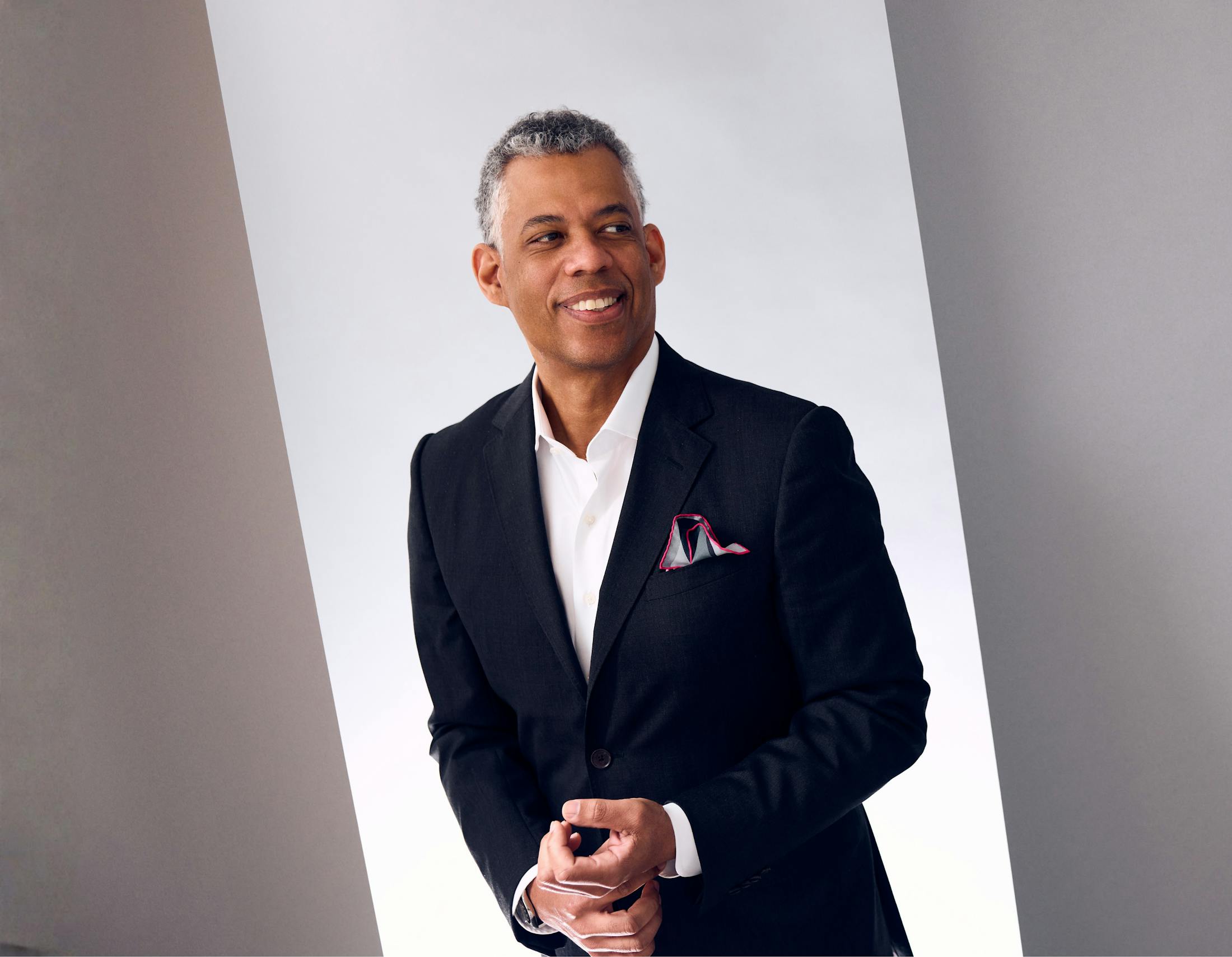
Tri Valley Plastic Surgery is a highly respected Bay Area practice renowned for expertise in advanced rhinoplasty techniques, led by Dr. Philip Wasicek, Double Board-Certified Plastic Surgeon, and Dr. Steven Williams, Board-Certified Plastic Surgeon and President Emeritus of the American Society of Plastic Surgeons. Located in Dublin, California, we serve patients across the Walnut Creek–Dublin corridor—including Danville, Alamo, and San Ramon—who seek elevated care and refined, natural results.

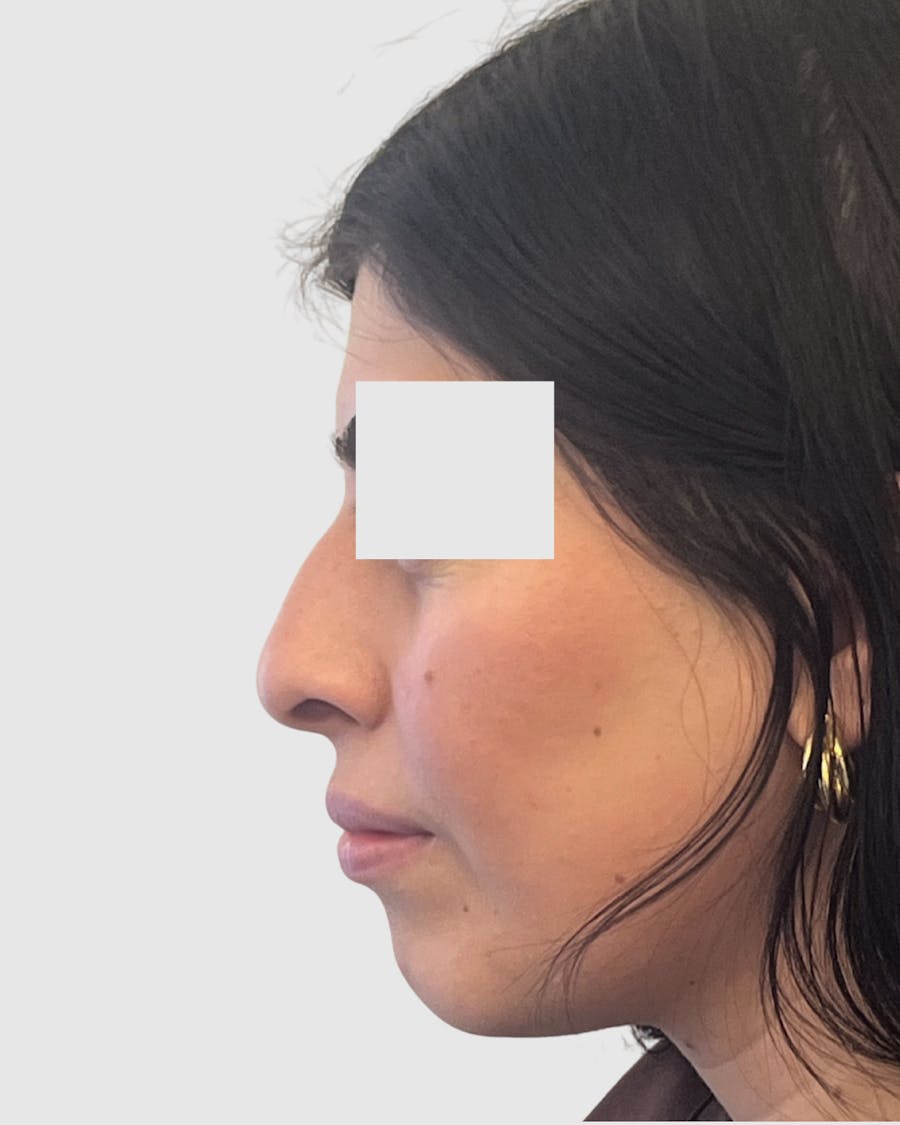
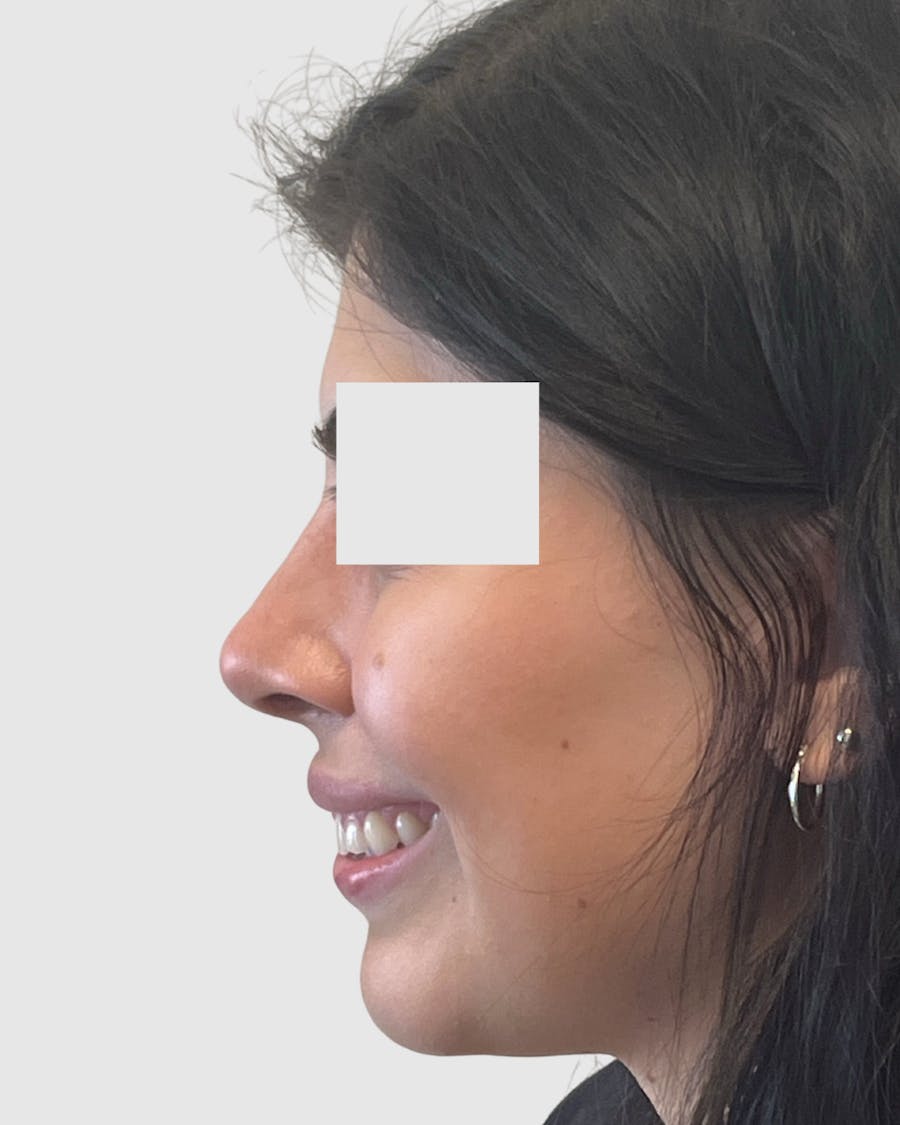
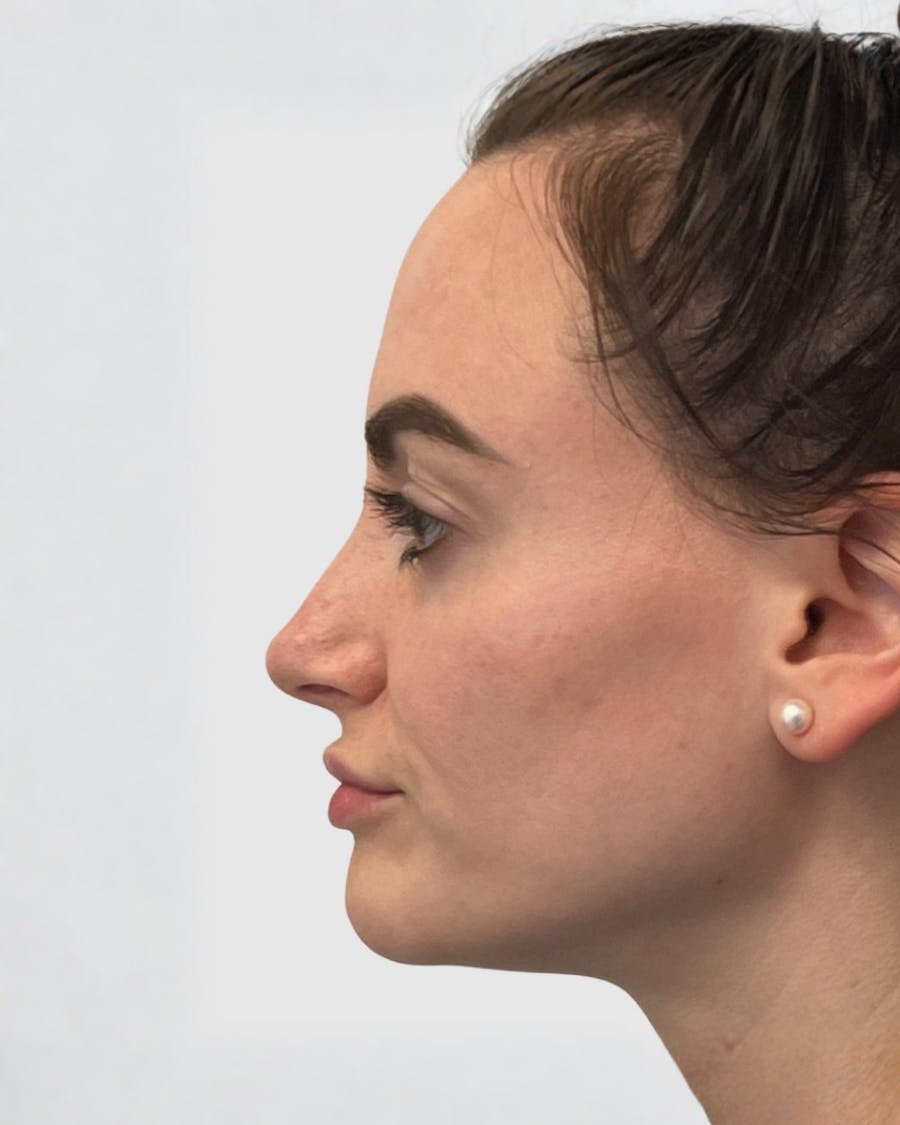
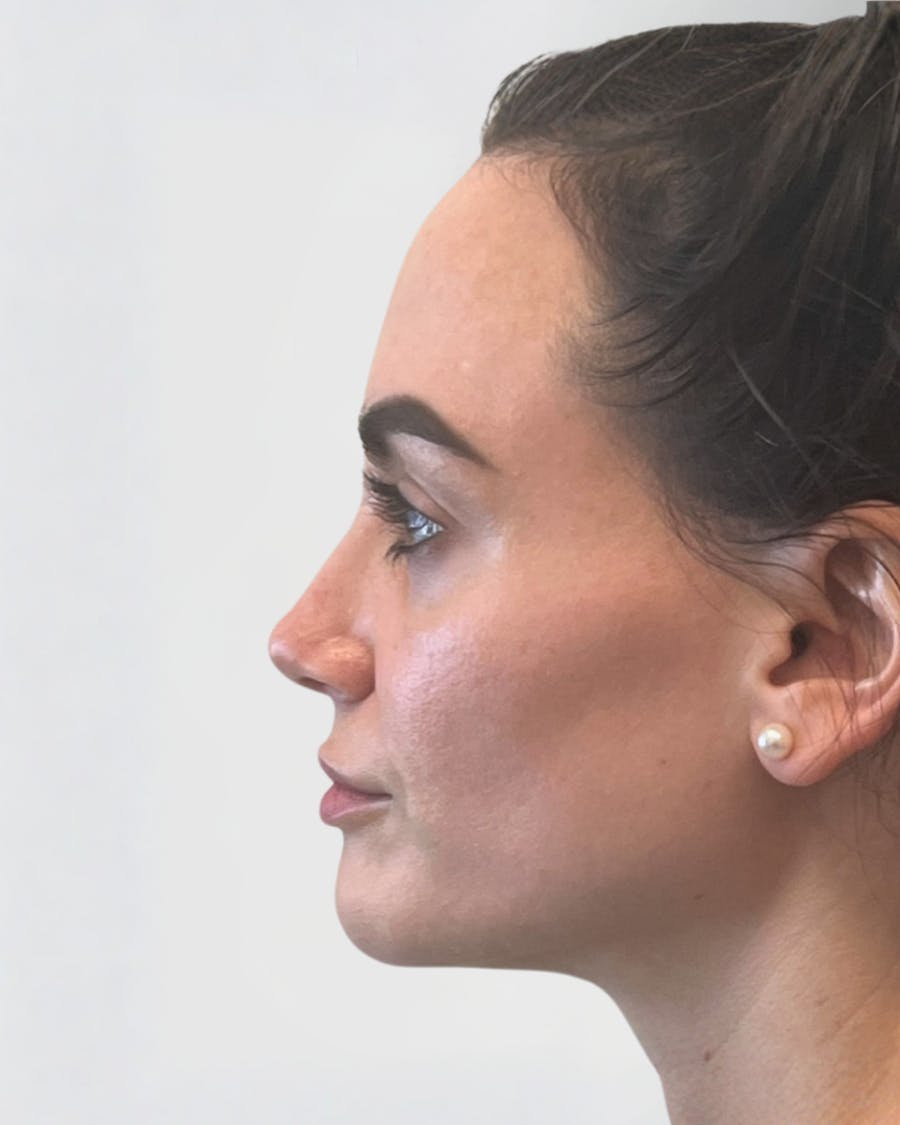
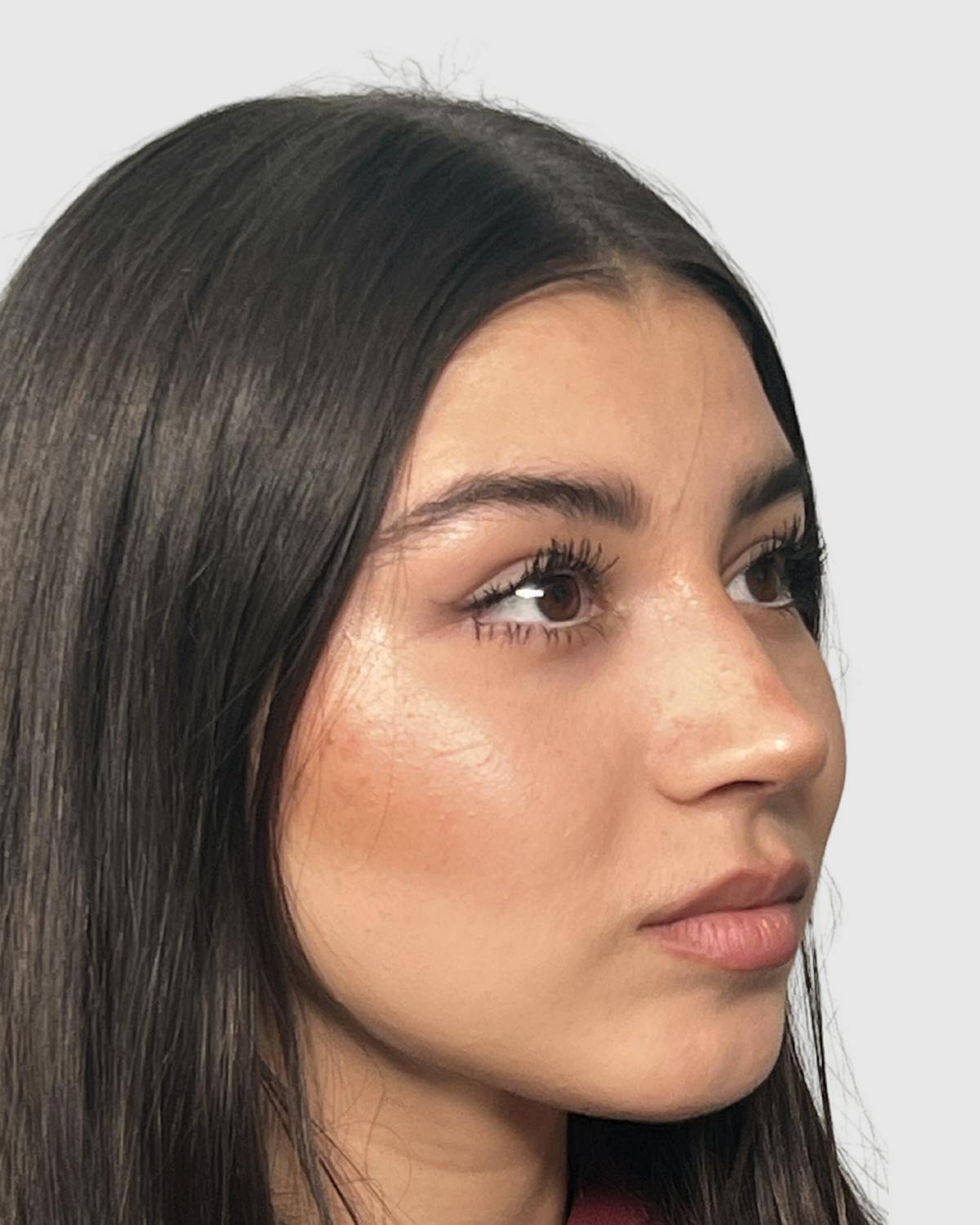
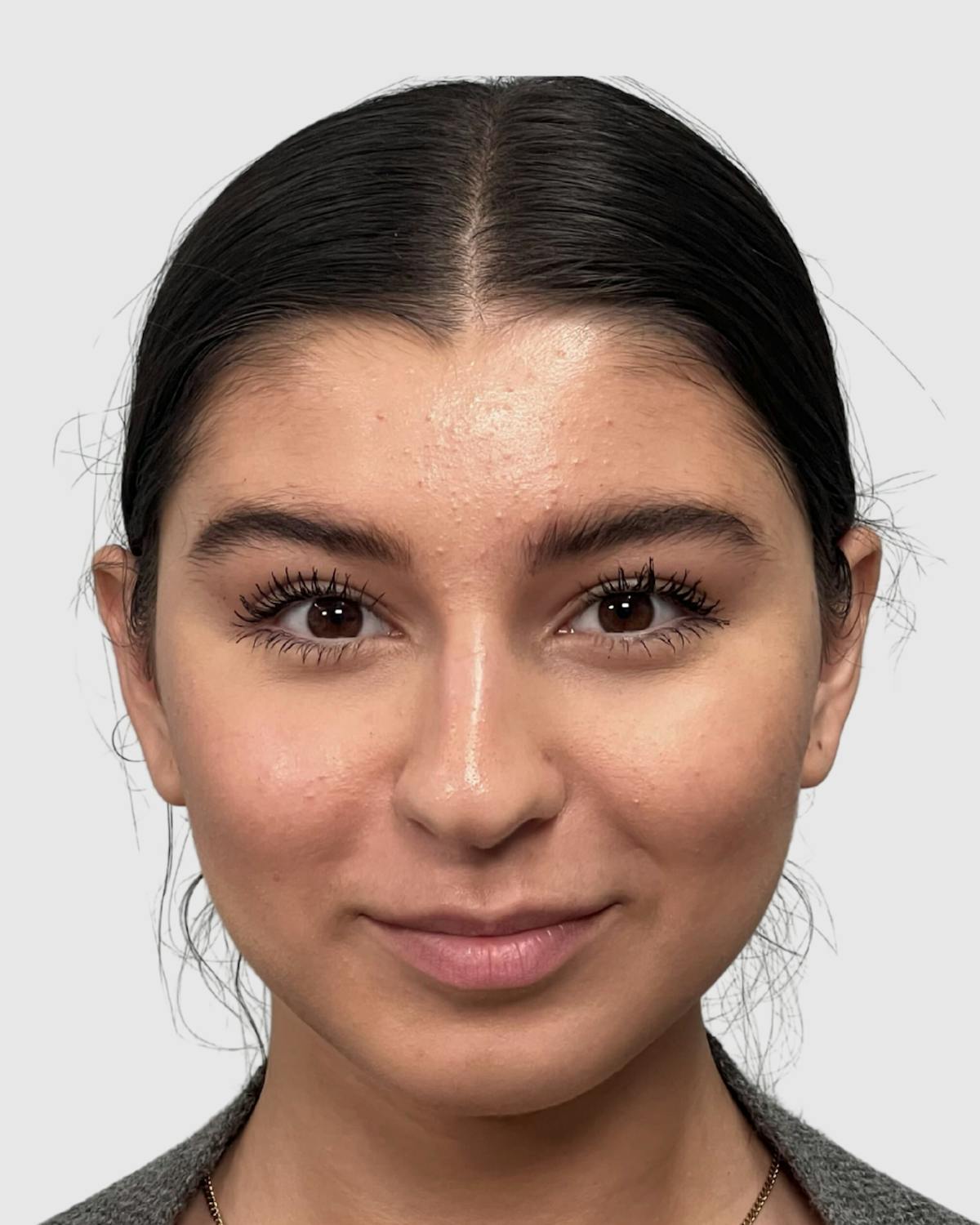
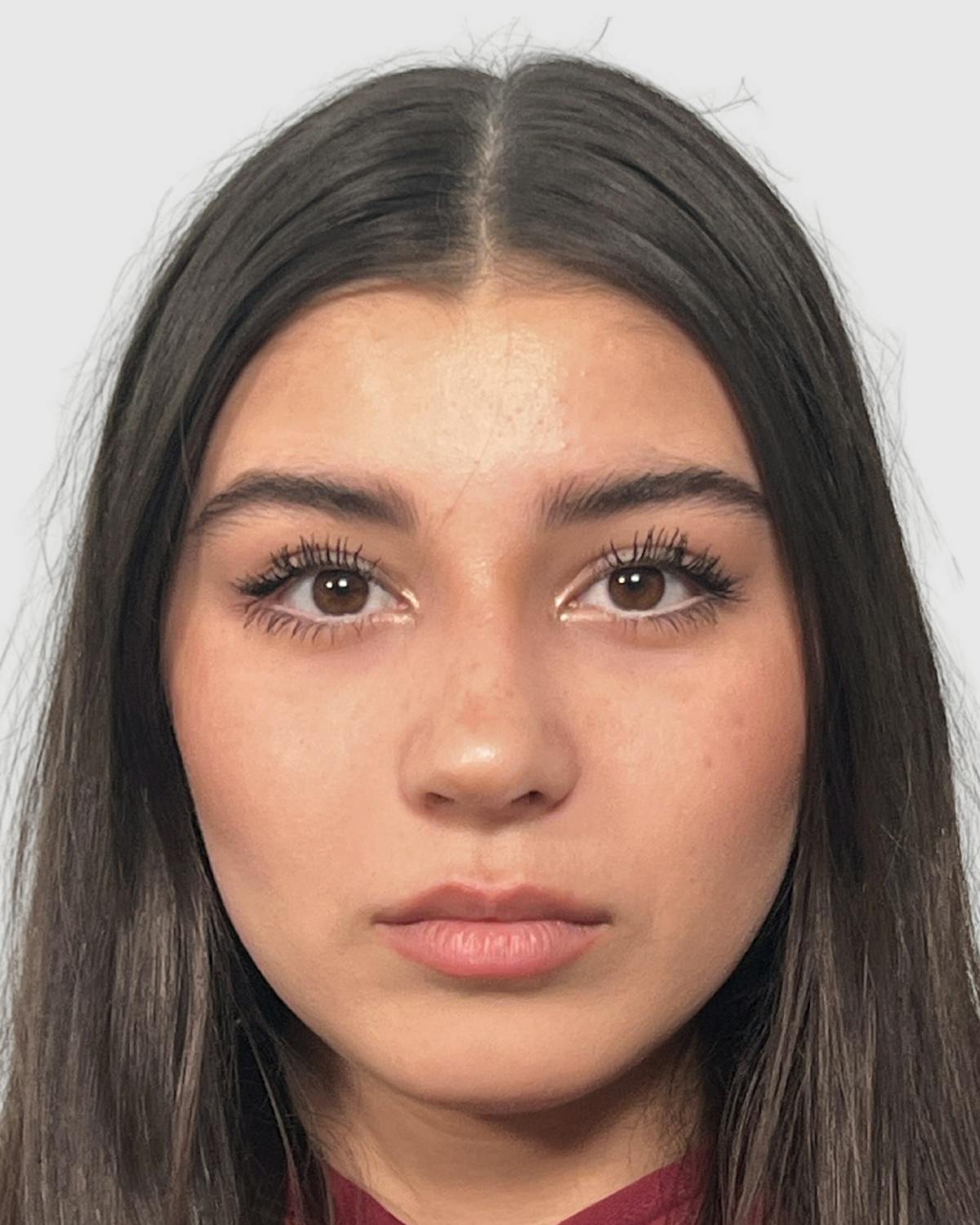
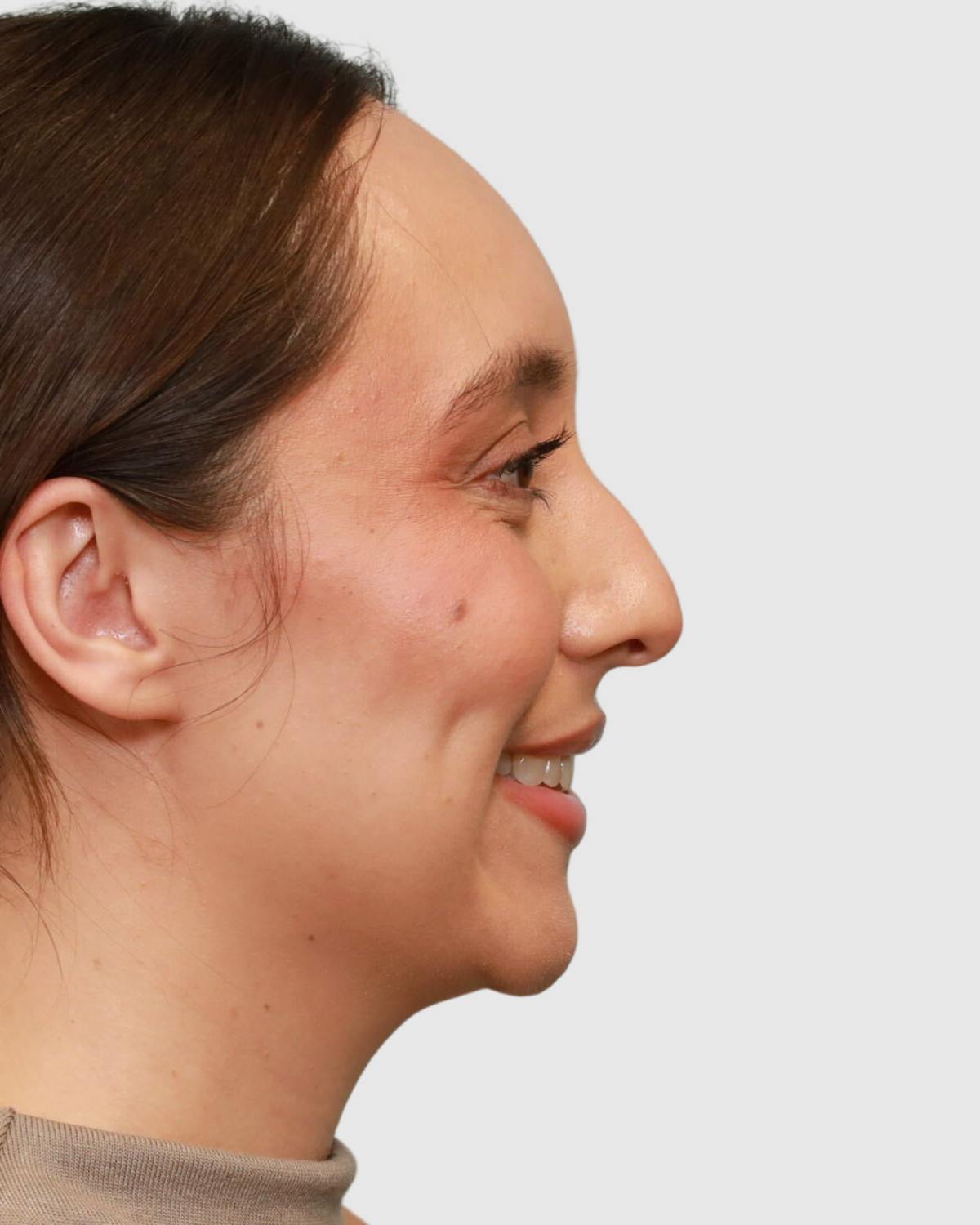
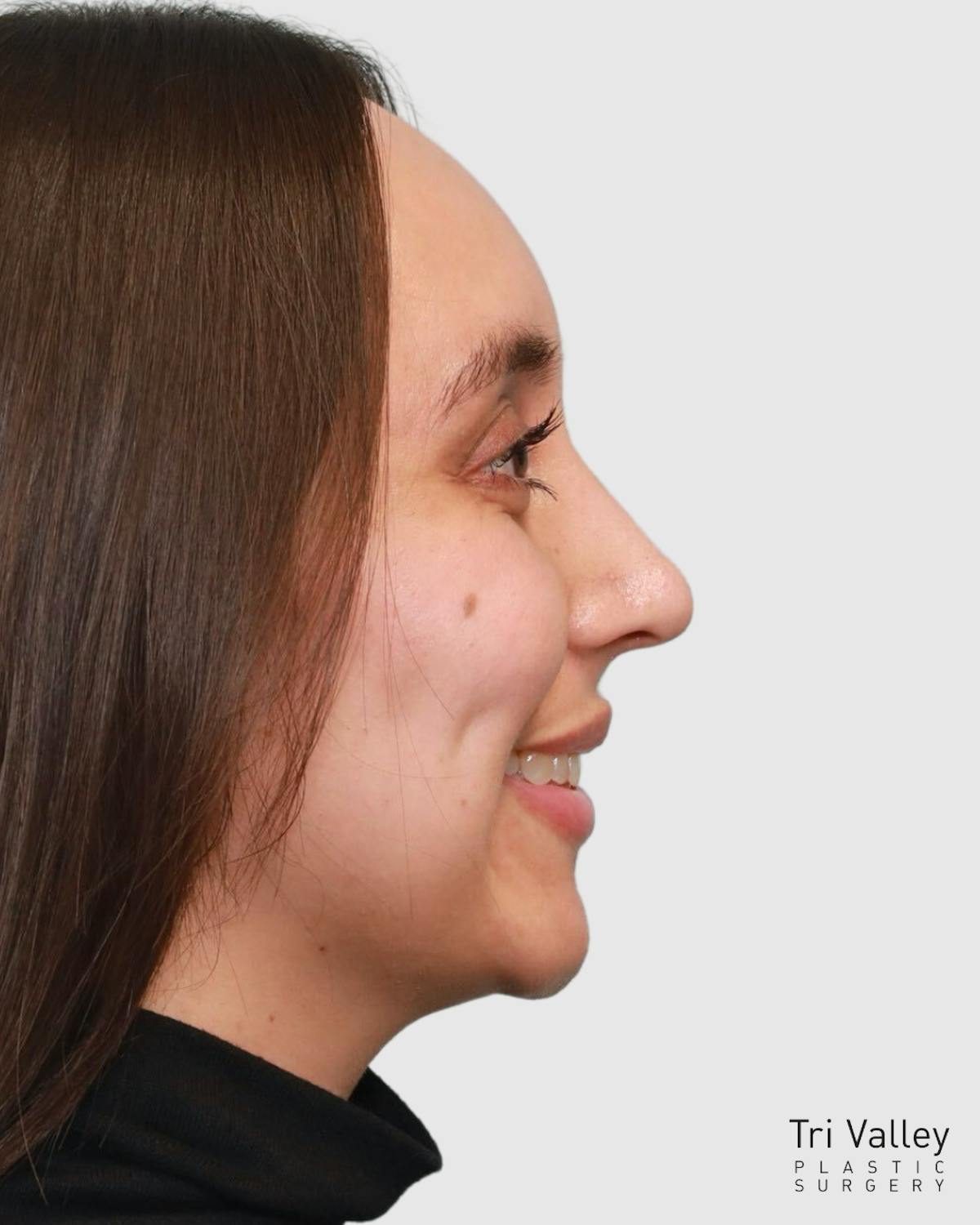
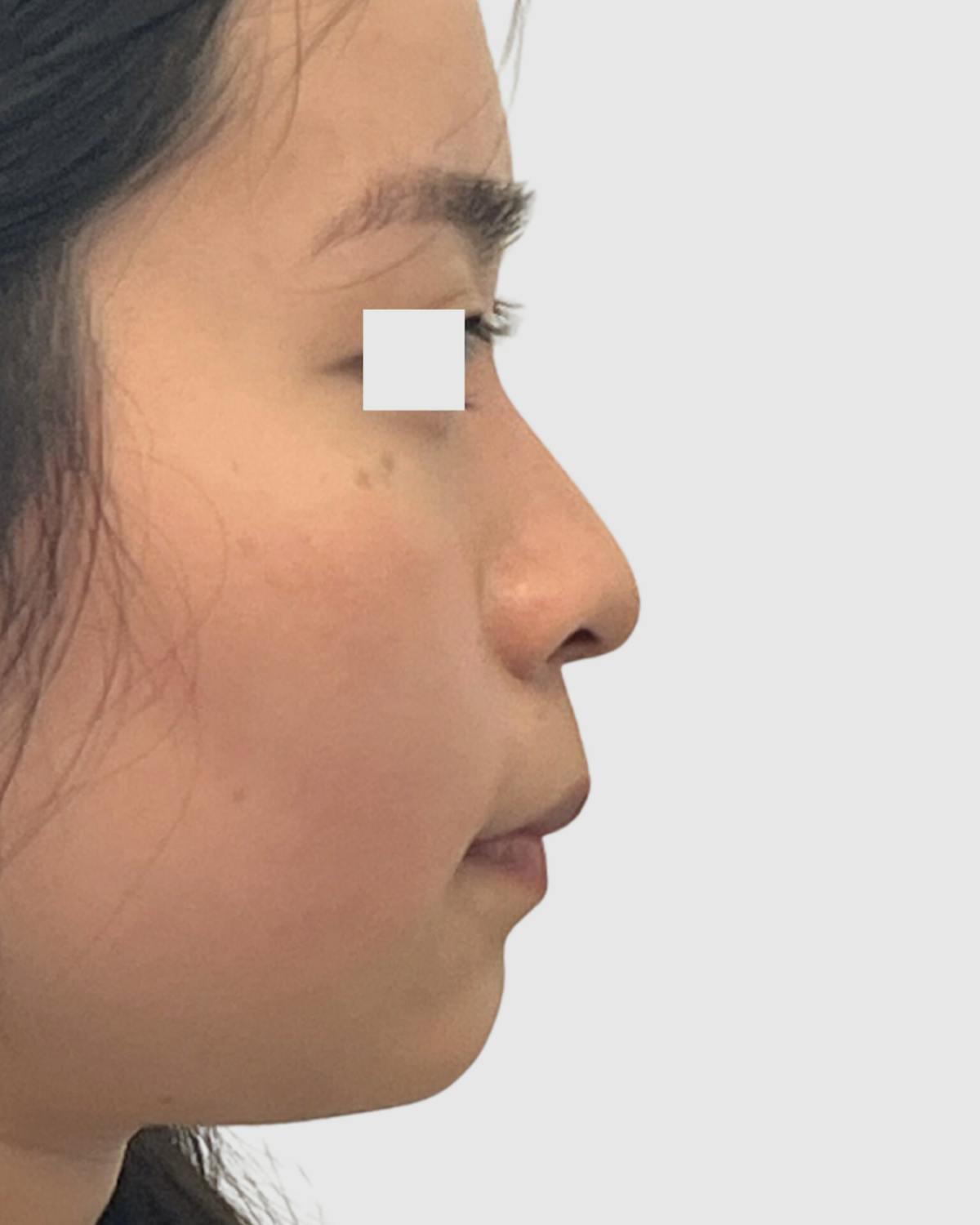
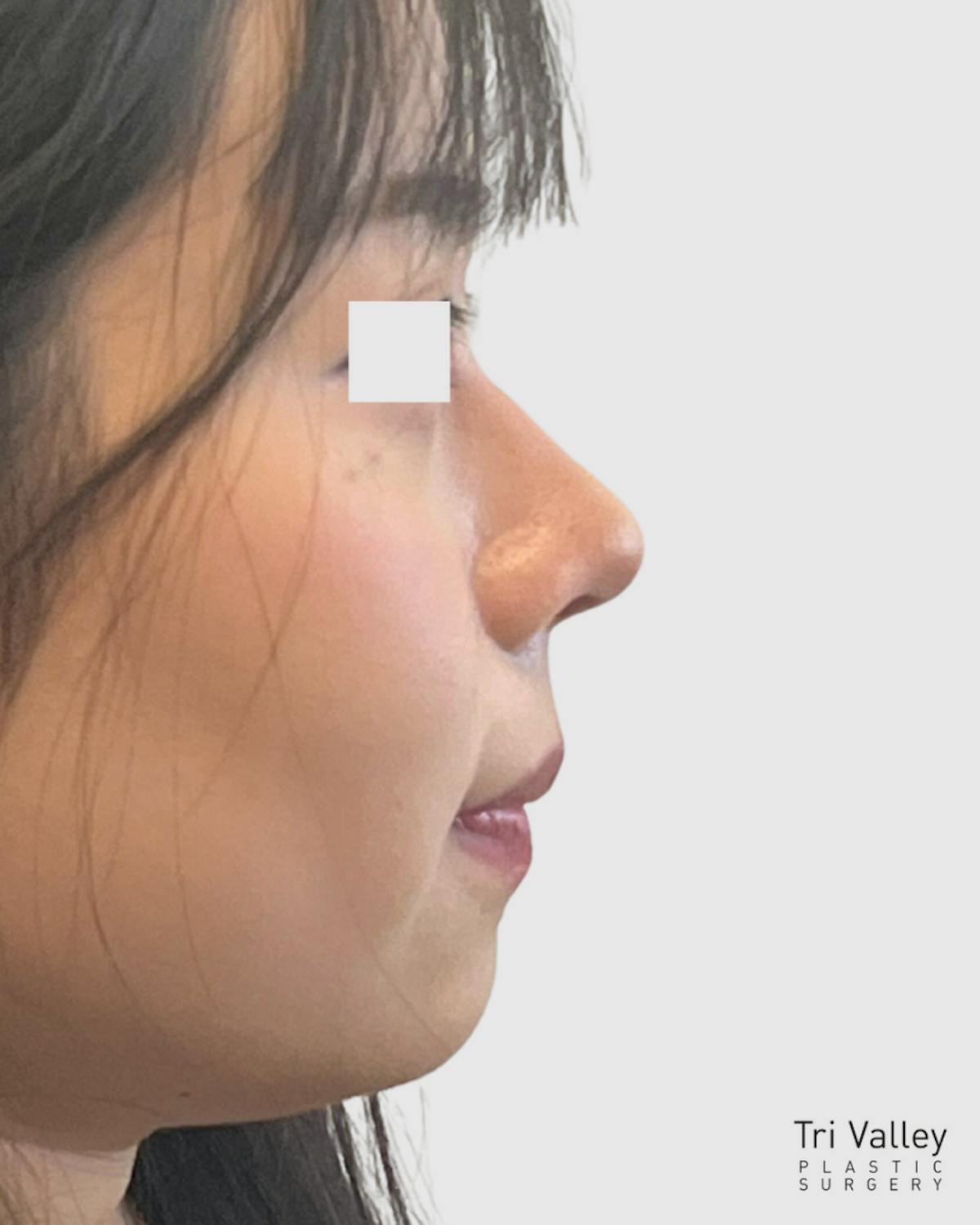
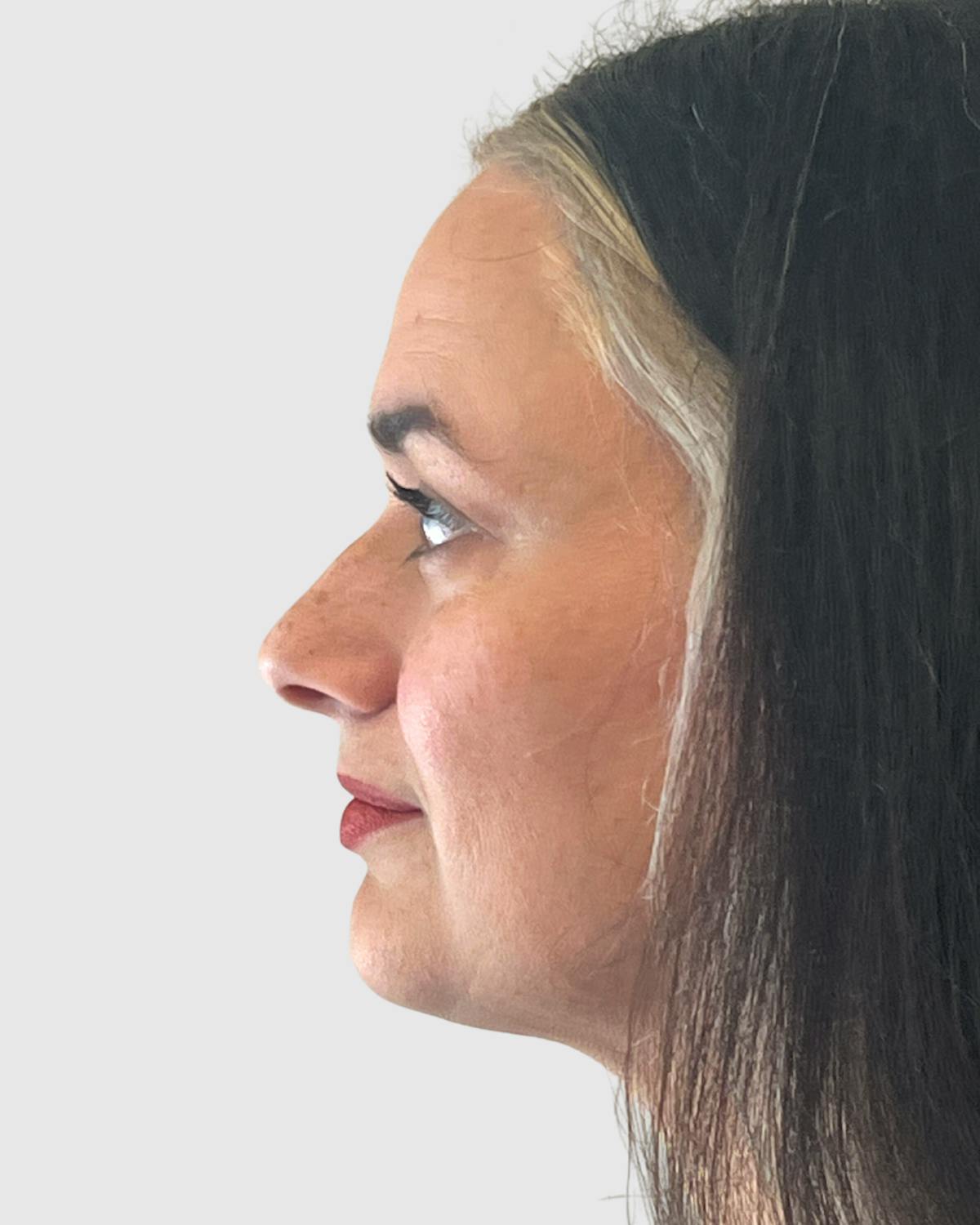
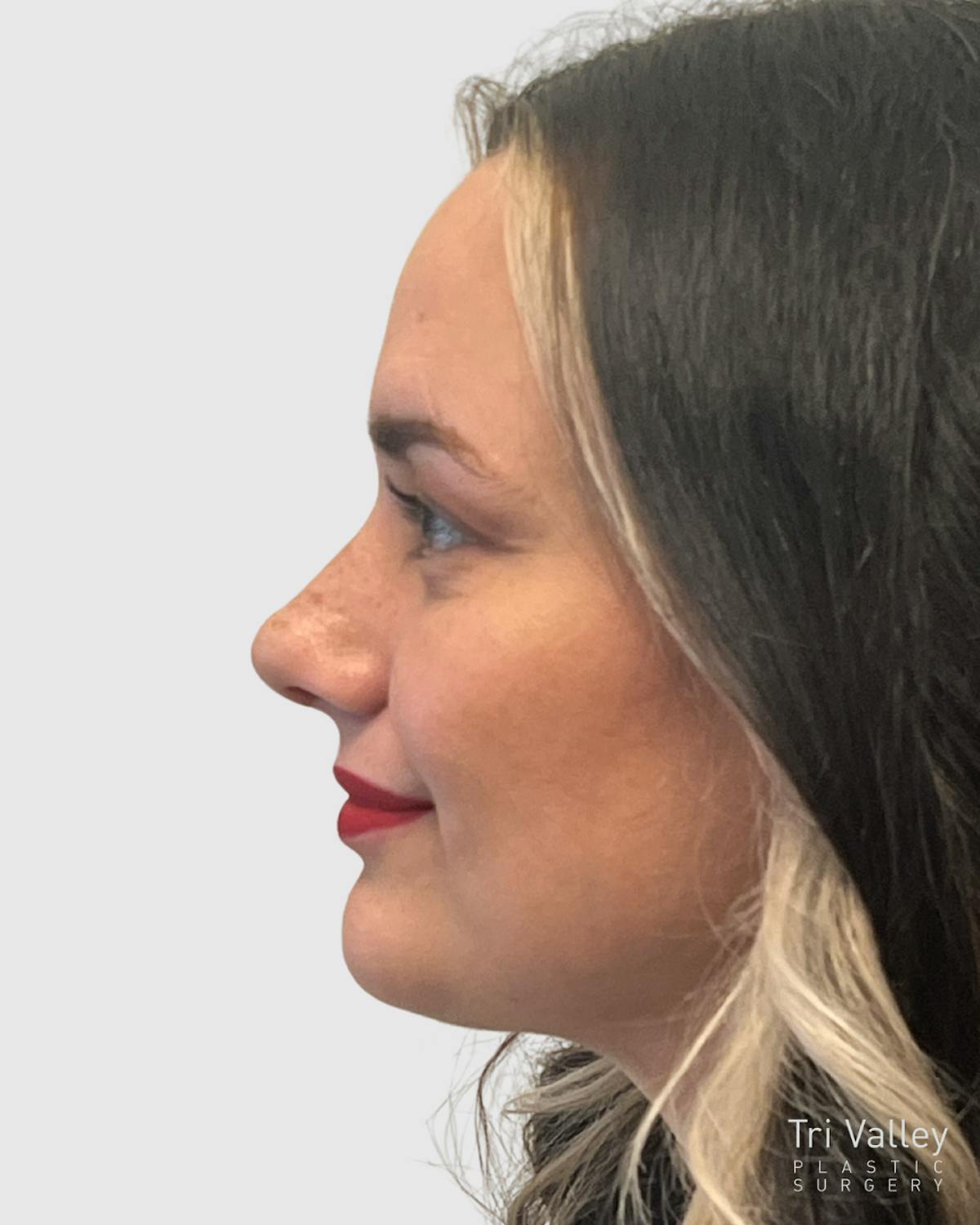
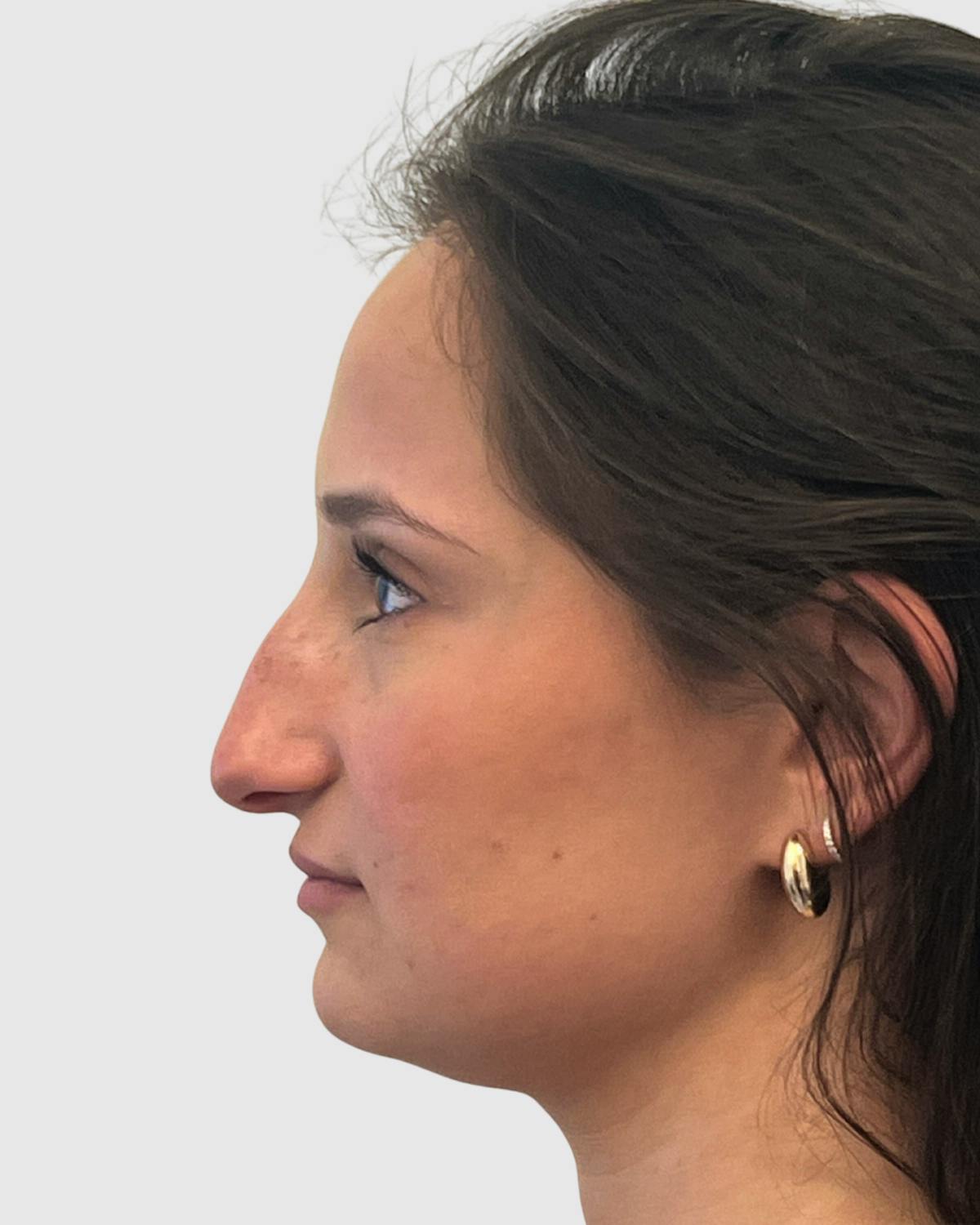
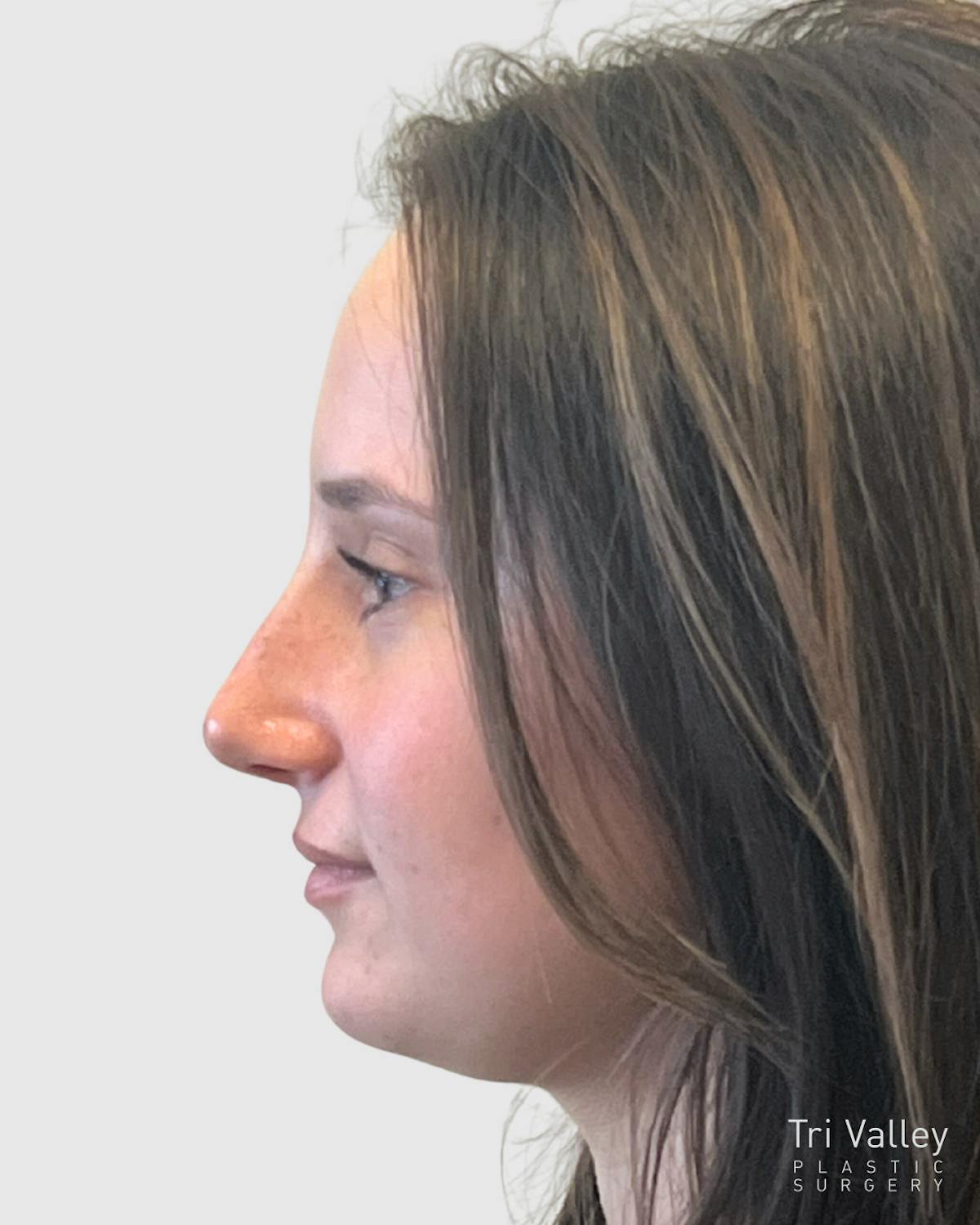
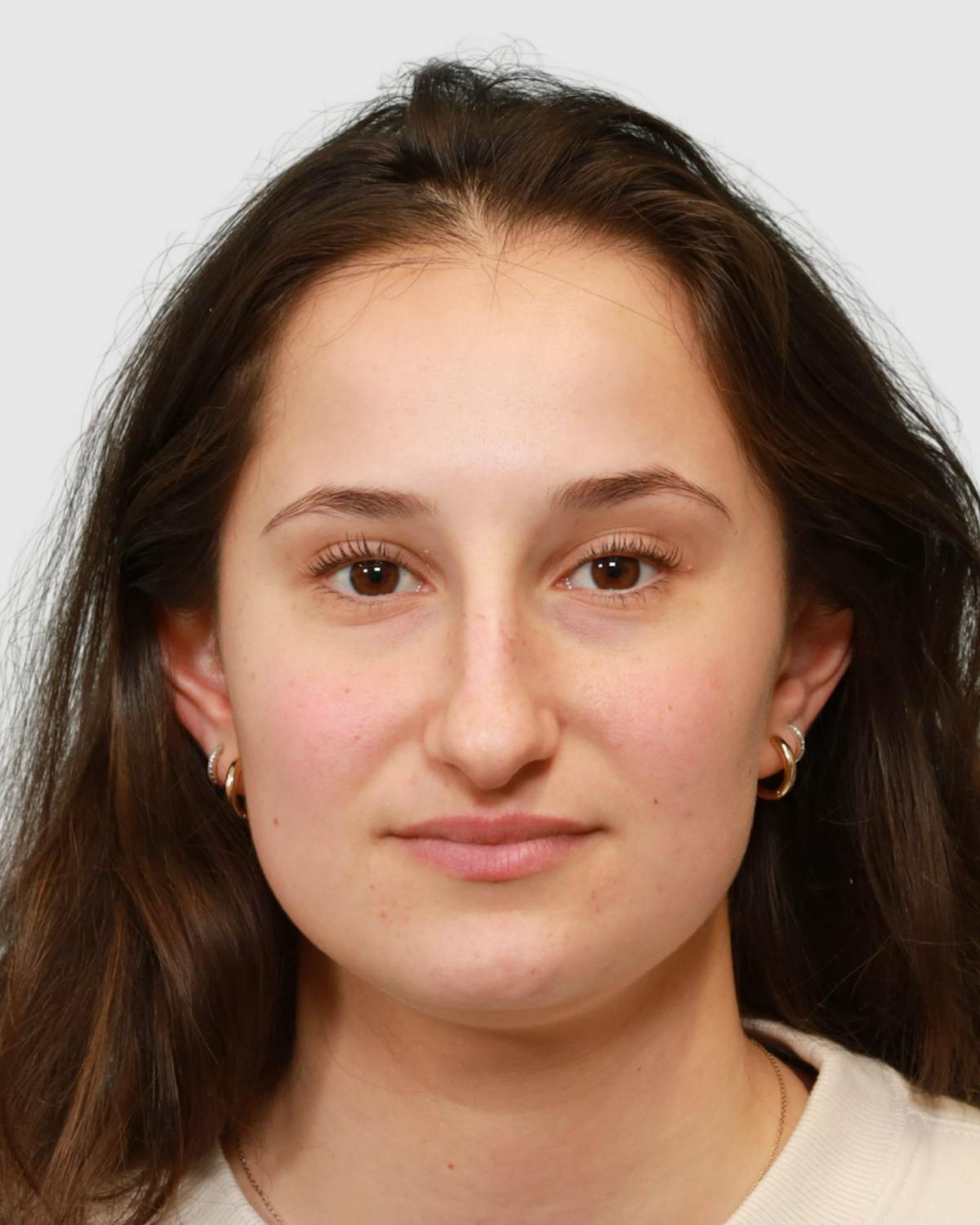
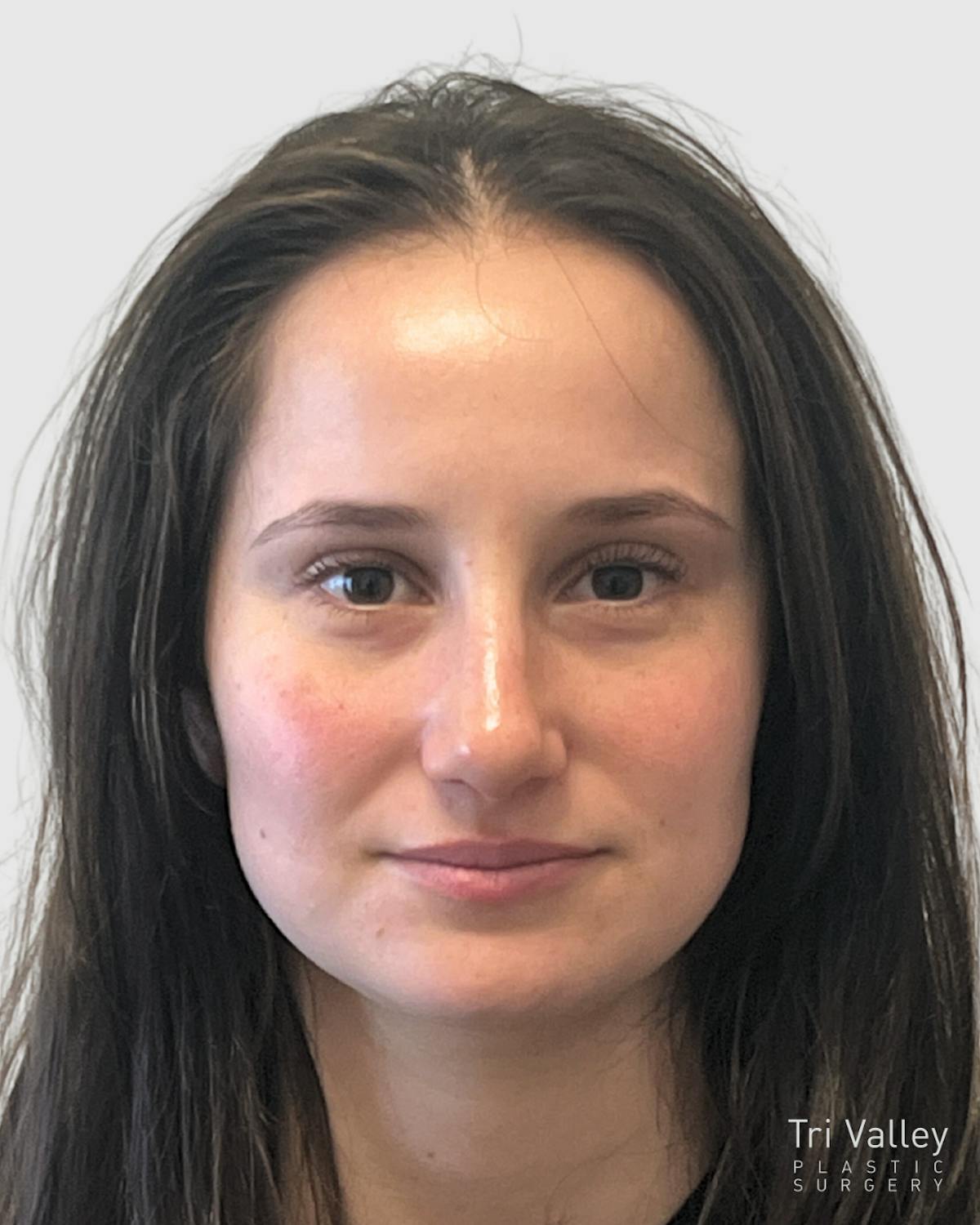
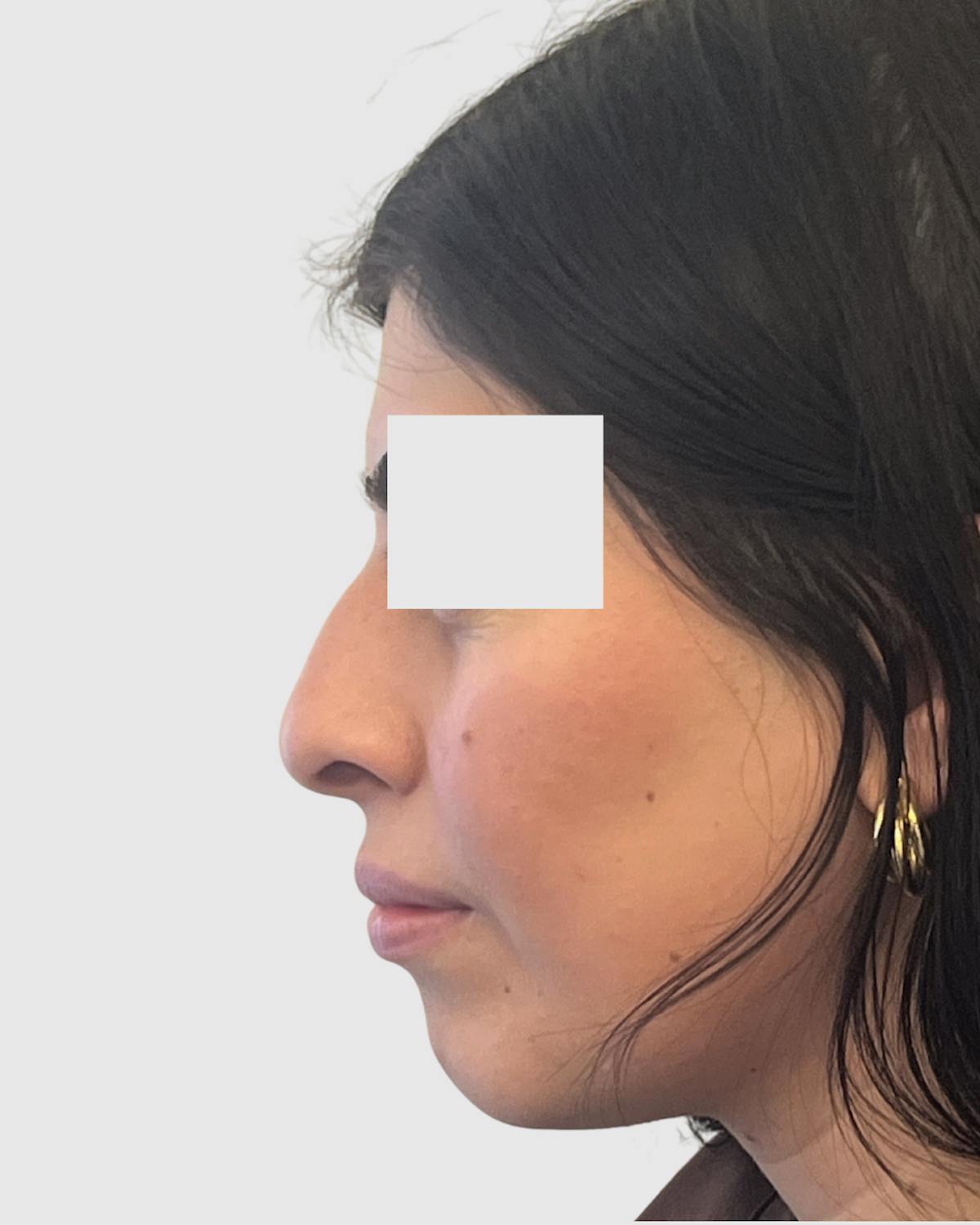
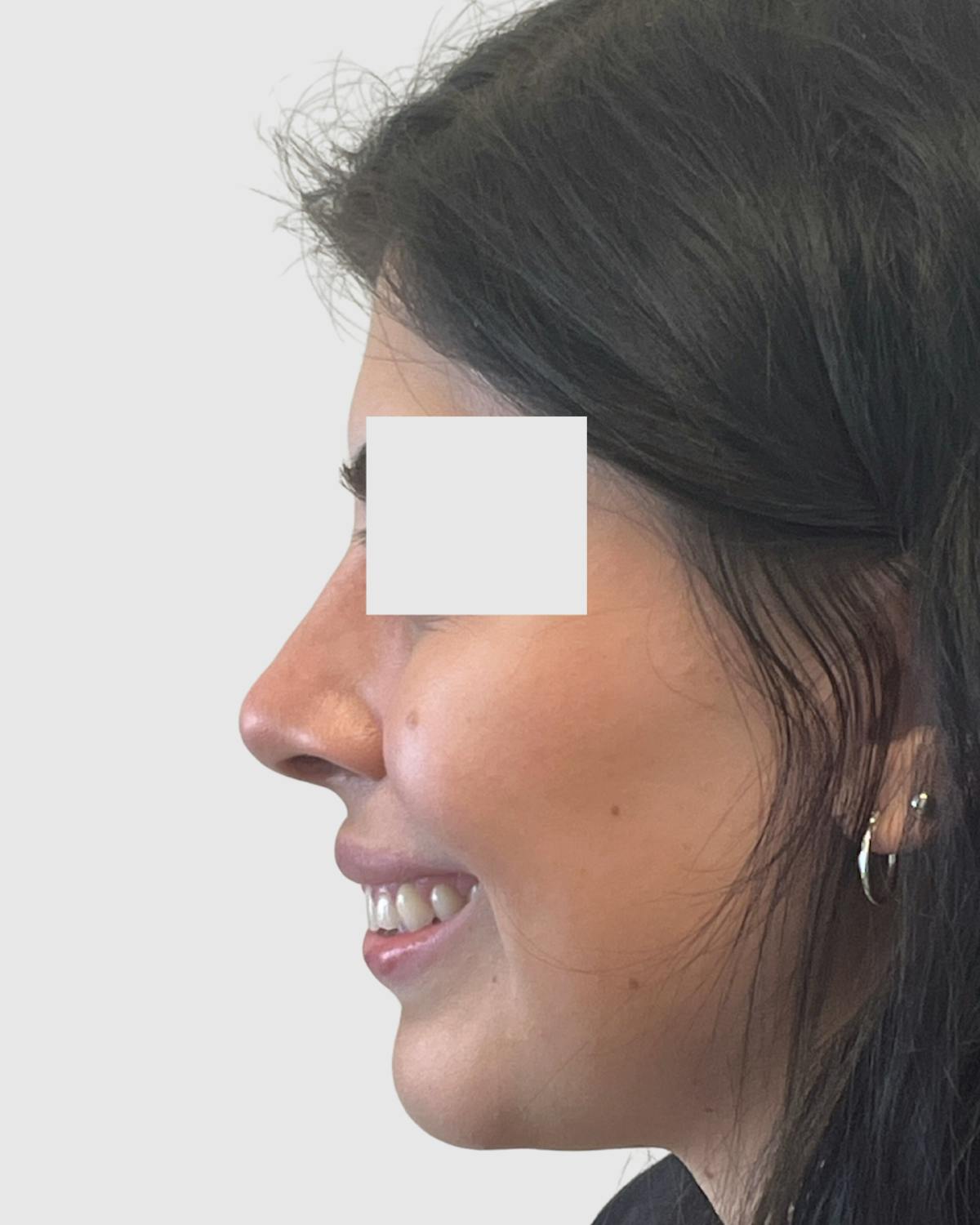
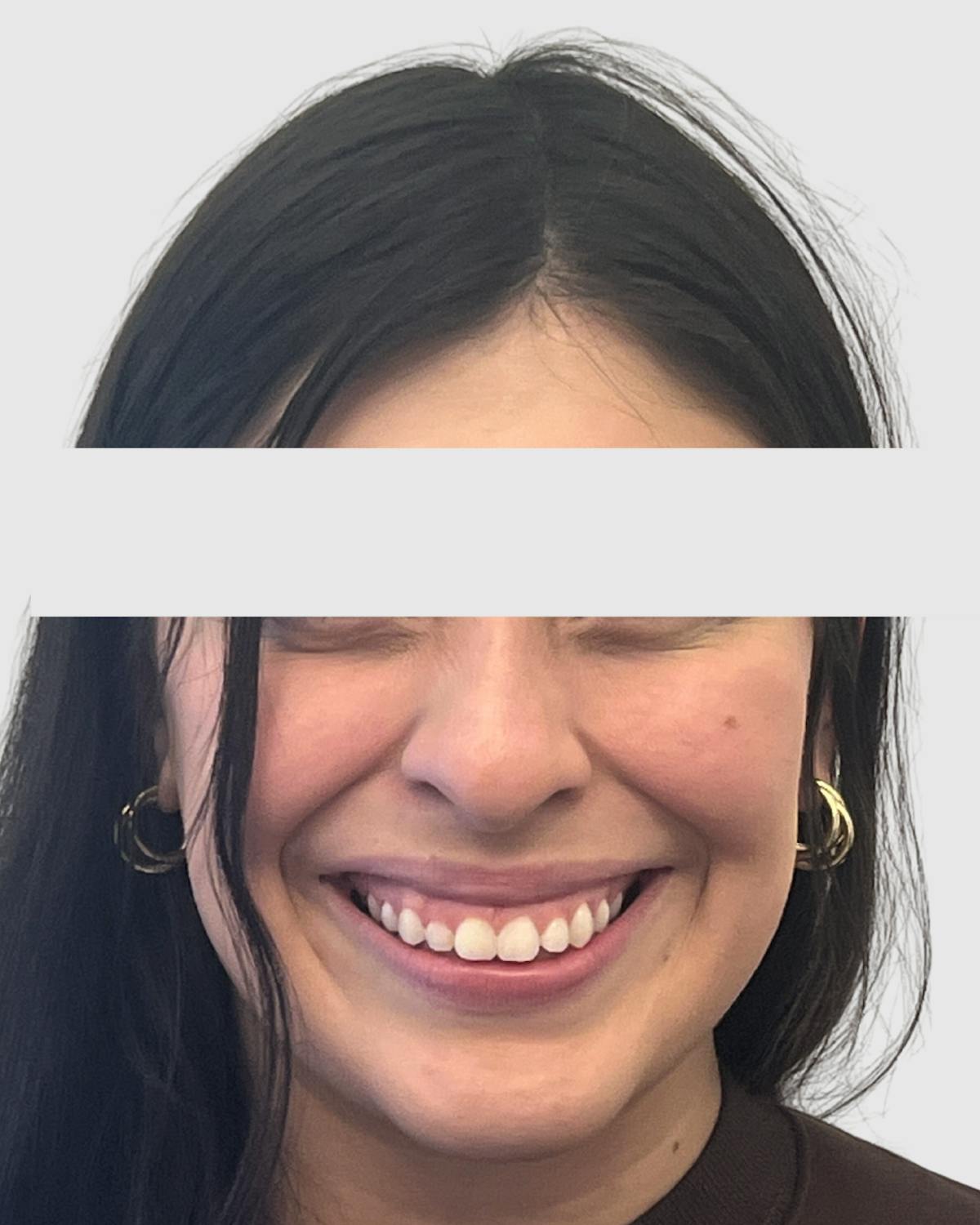
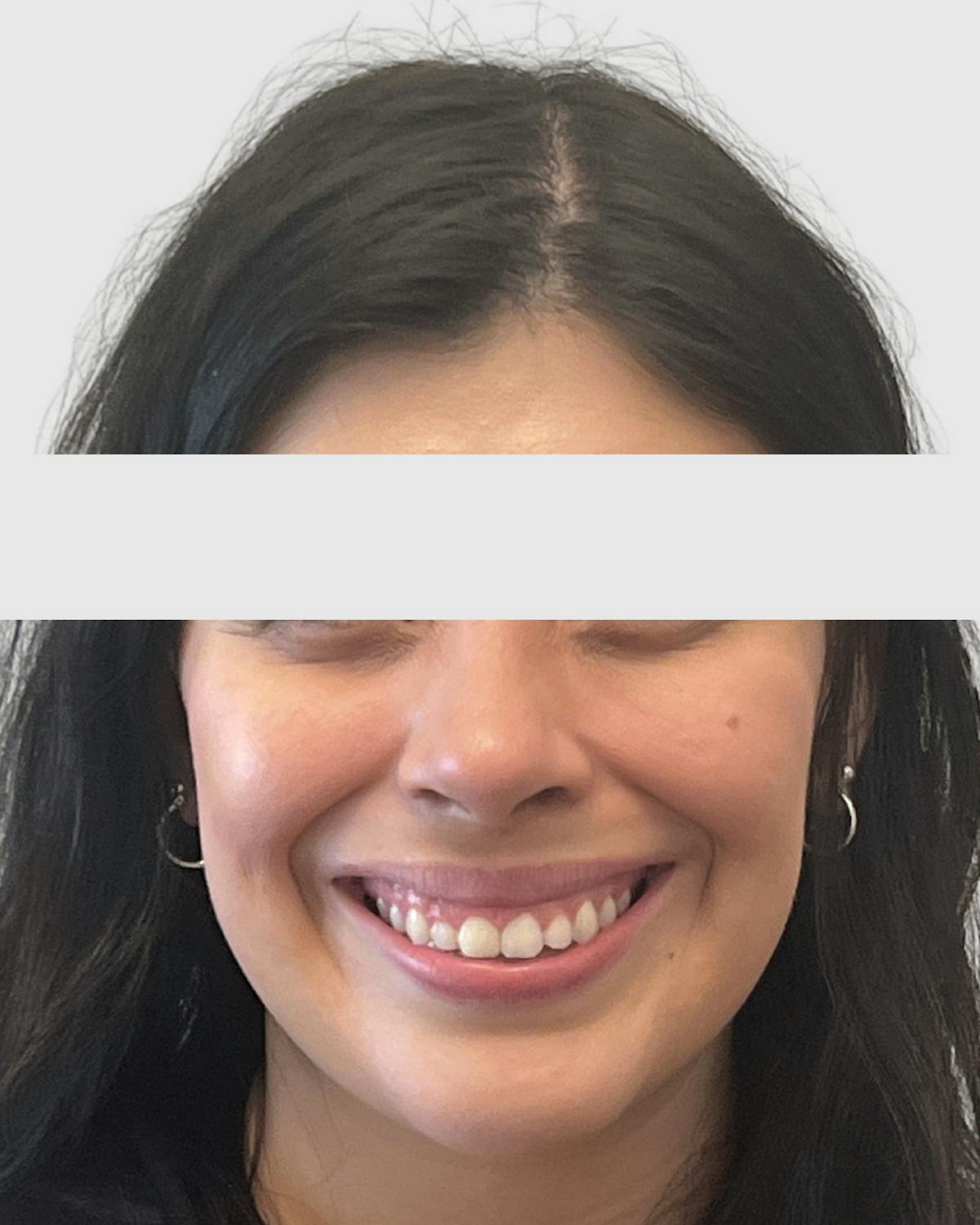
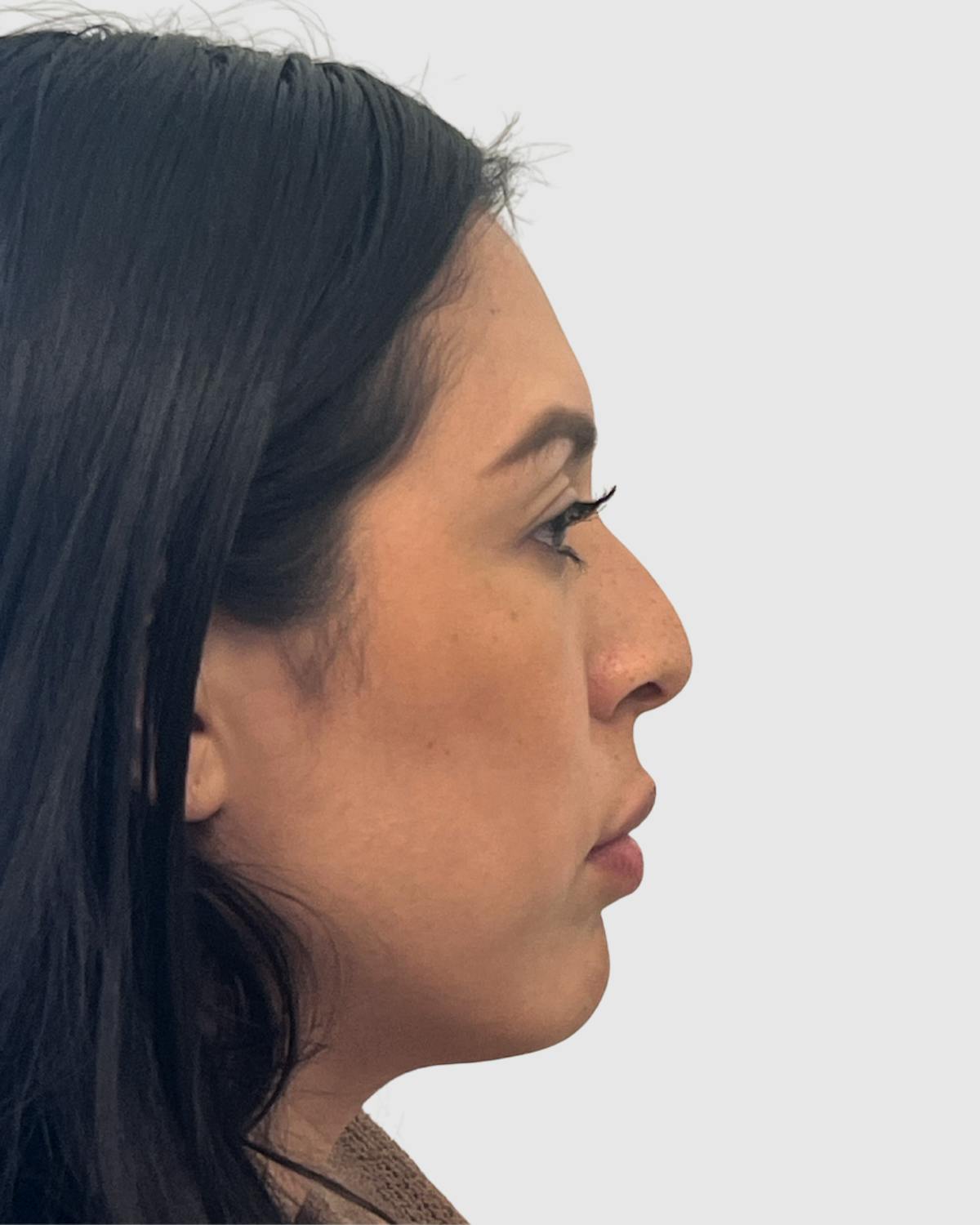
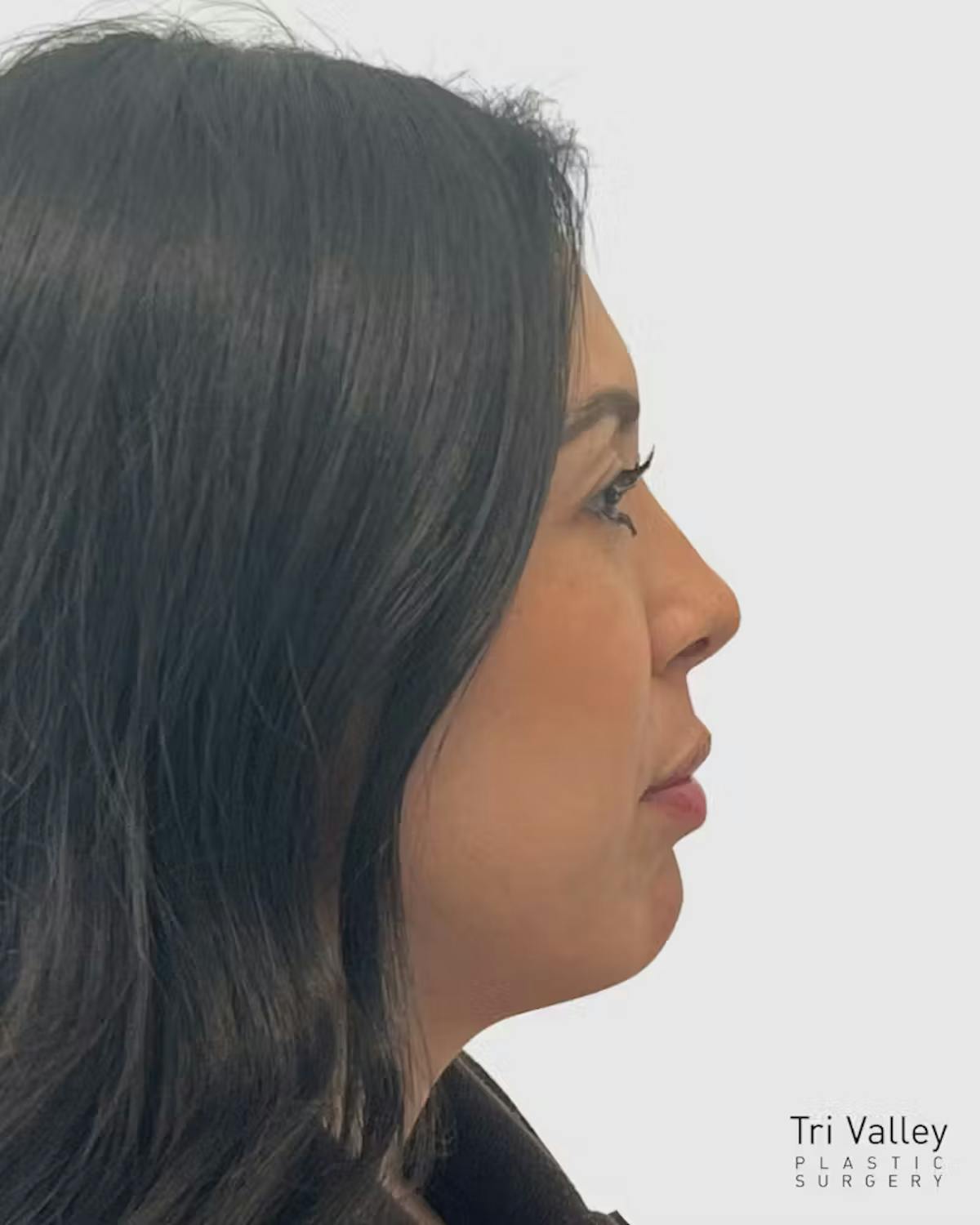
Before & After

To see more rhinoplasty before & after results, schedule a consultation to come into our office.

Results for each individual patient are not guaranteed.

GET STARTED

Dr. Philip Wasicek

Dr. Wasicek is a double board-certified plastic surgeon with a dedicated focus specializing in facial aesthetic surgery, with particular expertise in primary and revision rhinoplasty

“Rhinoplasty is widely regarded as one of the most difficult and technically demanding procedures in all of plastic surgery. Millimeters matter. Subtle decisions have permanent consequences. And no two noses—or faces—are ever the same.”

This complexity is exactly why rhinoplasty has become one of the primary focuses of my practice.

Doctor credentials
Doctor credentials
Doctor credentials
Doctor credentials
Doctor credentials
Doctor credentials

A Passion for Rhinoplasty

I am deeply passionate about nasal surgery and facial balance, and a substantial portion of my surgical practice is dedicated to primary and revision rhinoplasty. I find rhinoplasty uniquely challenging, intellectually engaging, and rewarding—because it requires a combination of technical mastery, aesthetic judgment, and long-term planning that few other procedures demand.

Unlike many cosmetic procedures, rhinoplasty leaves very little margin for error. Over-reduction, inadequate support, or poor planning can lead to unnatural appearance, breathing problems, and the need for complex revision surgery.

This is why choosing a surgeon who specializes in rhinoplasty—and truly enjoys performing it—is critical.

I was fortunate to train and be mentored by some of the most renowned and talented rhinoplasty surgeons in the world. My training included doing orders of magnitude (>10x) more rhinoplasty surgeries with my mentors than is required during plastic surgery training. I have traveled throughout the country working with leaders in the field and developed extensive knowledge regarding rhinoplasty. This exceptional foundation has allowed me to build my career with a level of technical confidence, judgment, and respect for nasal surgery that continues to shape my practice today.

Rhinoplasty is not a procedure that is ever truly “mastered.” It is a discipline that evolves with experience, reflection, and continued study over an entire career. I continually refine my techniques through ongoing education, advanced courses, professional collaboration, and careful analysis of results over time. This commitment to lifelong learning is not optional in rhinoplasty—it is essential.

There is no such thing as a “perfect” nose—but there are many noses that look natural, balanced, and beautiful on the right face. Rhinoplasty is not about chasing an idealized standard; it is about understanding what you want and creating a result that fits your features.”

Consultation with Dr. Wasicek–The Bay Area Rhinoplasty Surgeon

“During your consultation, I take time to understand your specific concerns, goals, and priorities. Some patients are focused on subtle aesthetic refinement, others on meaningful change, improved breathing, or revision surgery. Listening carefully is essential to achieving a result that feels right to you.

Because the nose plays a critical role in breathing, function is always part of the conversation. I evaluate any breathing concerns alongside aesthetic goals, with the aim of not only improving appearance, but also optimizing nasal airflow whenever possible. A nose should look good—and work well.

We will also review the anatomy of your face and nose in detail. This includes discussing your skin thickness, cartilage and bone structure, facial proportions, and any limitations that may influence surgical options or outcomes. I believe transparency is essential, so we will talk openly about what is achievable, what may be limited, and which approach I believe is best suited to your anatomy and goals.

A successful rhinoplasty begins with clarity, trust, and thoughtful planning—and the consultation is where that foundation is built.”

Schedule Intro Call

Types of Rhinoplasty 

Primary Rhinoplasty (Open or closed)

Depending on your anatomy and your goals, a primary rhinoplasty may be performed using a closed (incisions inside nostrils only) or open (a small scar across the skin of your columella) approach. 
Asian Rhinoplasty

Rather than removing structure, Asian rhinoplasty often requires strategic augmentation, support, and precise shaping to enhance definition while preserving ethnic identity and facial harmony.

Male Rhinoplasty

There are distinct features of a nose that can make it appear more masculine or more feminine. A more masculine nose typically has a less rotated tip, is not overly small/petite, and in general is straight (no curves, swoops, or supratip break).

Rhinoplasty with Rib Cartilage

In certain situations, additional structural support is essential to achieve a stable, natural, and lasting result. Rib cartilage provides a strong, reliable source of cartilage when septal or ear cartilage is insufficient. I prefer to use a patient’s own rib cartilage, but will also use cadaveric rib cartilage if needed.

Ethnic Rhinoplasty

Each ethnic background presents unique anatomical considerations, including skin thickness, cartilage strength, nasal width, projection, and facial proportions. A successful result requires a deep understanding of the goals of the surgery, limitations, and technical differences required to get the optimal result. 
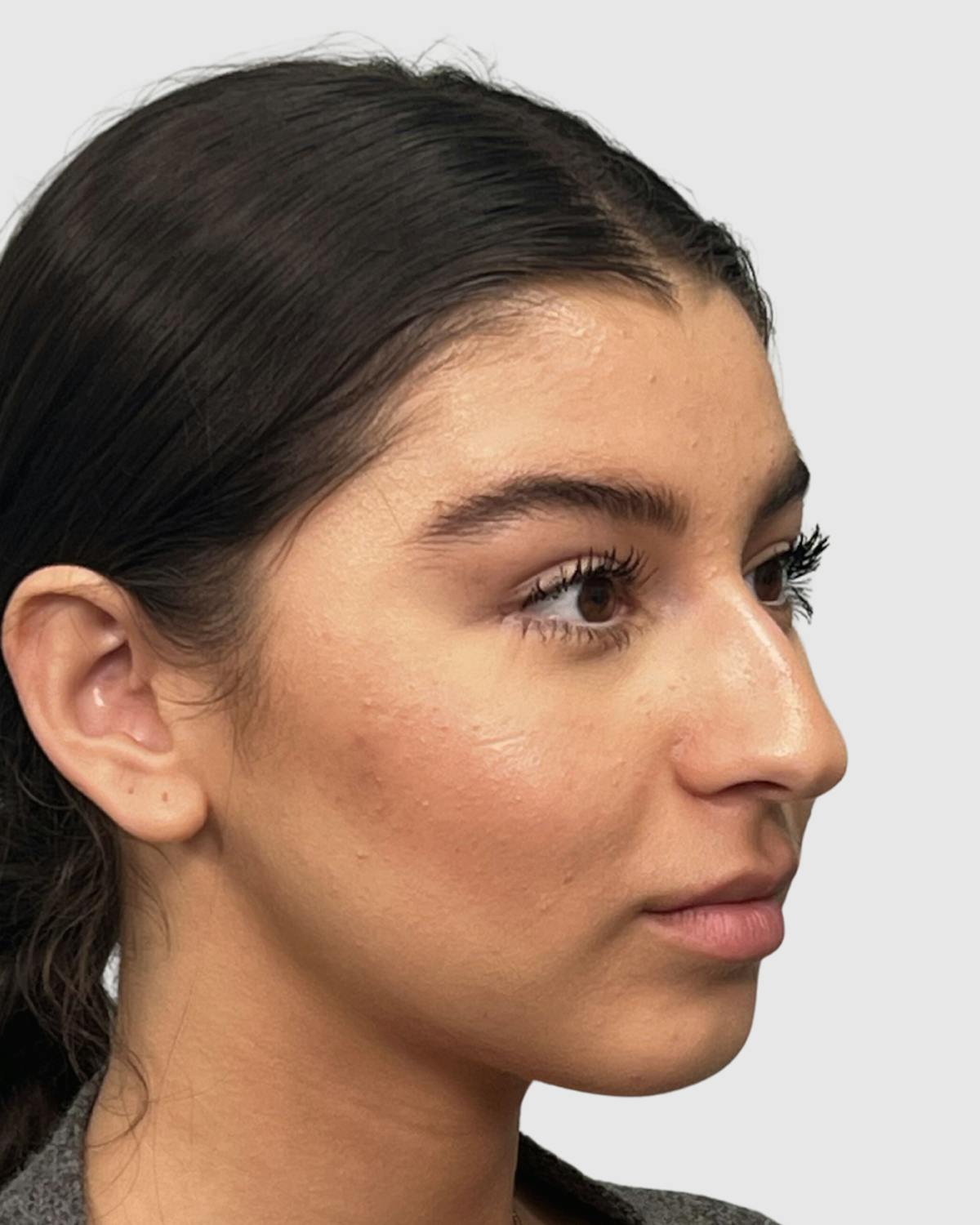
Revision Rhinoplasty

Revision rhinoplasty is among the most complex procedures in all of plastic surgery. Unlike primary rhinoplasty, revision surgery must address not only appearance, but also scar tissue, altered anatomy, weakened support, and—frequently—breathing problems.

Many patients seeking revision rhinoplasty feel frustrated or discouraged after a prior surgery did not meet their expectations. My goal is to provide clarity, honesty, and a thoughtful path forward.

Benefits of a Rhinoplasty

For many Rhinoplasty recipients, the decision to undergo surgery comes from years of dissatisfaction with the condition of their nose. A rhinoplasty offers transformative cosmetic and functional benefits including:

  • Permanently adjust the size of the nose
  • Smooth the contour of the bridge of the nose
  • Reshape the nostrils and nasal tip
  • Create balance throughout the face
  • Improve breathing
  • Correct issues associated with a deviated septum

What to Expect From Tri Valley Plastic Surgery

Rhinoplasty


Length of Surgery    
Inpatient / Outpatient    
Anesthesia    
Duration of Results    

3-4 hours
Usually outpatient
Usually general
Permanent

Before & After

Rhinoplasty Recovery

Rhinoplasty recovery is a gradual process that requires patience–understanding the recovery process is essential. While early improvements are visible within weeks, the nose continues to refine subtly over many months as swelling resolves and tissues heal.

Week 1: Immediate Recovery

  • Nasal splint and external support in place
  • Swelling and bruising around the eyes and nose are expected
  • Nasal congestion and pressure are common
  • Most patients take 7–10 days off work or social activities
  • Splint is typically removed at the end of the first week

Weeks 2–3: Early Healing

  • Bruising largely resolves
  • Swelling continues to decrease
  • Most patients feel comfortable returning to work and light exercise
  • The nose begins to look more natural, though still swollen. It may be recommended that you tape your nose.

1–3 Months: Visible Refinement

  • A significant portion of swelling has resolved
  • The bridge and profile become more defined
  • Tip swelling is still present, especially in thicker skin


Breathing continues to improve as internal swelling subsides

3–6 Months: Ongoing Definition

  • Continued softening and refinement of the nasal tip
  • Improved contour and balance with the face
  • Most patients feel confident socially and in photographs

12–18 Months: Final Outcome

  • Final shape and definition are achieved
  • Particularly important for patients with thicker skin or revision rhinoplasty
  • Long-term structural support and refinement are fully realized

Important Recovery Considerations

  • Swelling resolves unevenly and unpredictably
  • The tip is always the last area to fully refine
  • Minor asymmetries during healing are common and usually temporary
  • Protecting the nose from trauma and sun exposure is critical

Every patient heals differently. Your specific recovery timeline will depend on your anatomy, skin thickness, and the type of rhinoplasty performed. It is important to continue to follow up with Dr. Wasicek, as he wants to evaluate and track your progress. 

Background media

Reviews

Dr. Wasicek is a highly skilled surgeon (from both a restorative and aesthetic perspective) and incredibly clear in his communication of what can/cannot be expected. His incredibly empathetic and attentive manner is only rivaled by that of the other professionals and staff of Tri Valley. The results I experienced are subtle and natural, enhancing features in a way that aligned with my original look and structure.

Recently went to my 3 month post op septorhinoplasty with Dr.Wasicek. From the first consultation to post surgery at home care and now months post op, he has been guiding, answering any questions, reassuring and super kind in the entire process. Can’t thank him enough! He has been of tremendous help, alleviating my breathing problems and giving me more confidence in my appearance. The entire staff at Trivalley have also been great!

I had my surgery with Dr. Philip Wasicek on February 2nd and honestly I’m just relieved he didn’t charge me extra for my 'nervous personality.' This was my first surgery ever and my first time under general anesthesia. Calling me a bit of a wreck would be a massive understatement. He was incredible and made me feel completely at ease throughout the entire process. He has a very calm, supportive energy and a rock-solid steady demeanor that really helped with my pre-surgery nerves (a miracle). It’s a rare find to meet a double board-certified surgeon who is completely devoid of an ego which made the whole experience feel far less clinical and a lot more human.

Reviews media

Rhinoplasty FAQs

How long does it take for non-surgical rhinoplasty to heal?

Is there a certain age at which it is best to have rhinoplasty surgery?

Am I a good candidate for rhinoplasty?

What problems can be caused by a deviated septum?

What risks are associated with rhinoplasty?

Where do you perform the surgery?

How long does it take for non-surgical rhinoplasty to heal?

There is no downtime or significant recovery process involved in the non-surgical rhinoplasty procedure. The hyaluronic acid-based filler used by Dr. Williams will dissolve into the skin over approximately two years.

Is there a certain age at which it is best to have rhinoplasty surgery?

There is no hard and fast rule regarding the age at which a person can have a rhinoplasty, though many plastic surgeons consider any age in the range of 18 to 40 to be ideal since patients in this age group are physically mature with good skin elasticity.

Am I a good candidate for rhinoplasty?

Patients who are in generally good health, who do not smoke (or can quit smoking), and who have a good understanding of what can and cannot be achieved with rhinoplasty may be good candidates for rhinoplasty.

What problems can be caused by a deviated septum?

For some individuals, a deviated septum may not cause any problems at all, or may only be of cosmetic concern. For others, a deviated septum can cause chronic issues which affect daily life including difficulty breathing, snoring, sleep apnea, chronic or recurring sinus infections, nosebleeds, or facial pain.

What risks are associated with rhinoplasty?

Like other surgeries, rhinoplasty poses risks of infection, bleeding, and allergic reaction to anesthesia. Other risks include loss of sensation, difficulty breathing through the nose, scarring, persistent pain or discoloration, or other aesthetic problems.Non-surgical rhinoplasty, while much less invasive than surgical rhinoplasty, also involves risks. Swelling and bruising at injection sites may occur. There is also a possibility of filler migration or the movement of the filler into other areas of the face than intended. Because the nose contains a large number of blood vessels, there is a risk of tissue death, vision loss, or vascular complications, though these conditions are extremely rare and are usually the result of nasal filler injection by an unlicensed provider.

Where do you perform the surgery?

Both our clinic and Quad-A accredited surgery center are centrally located in Dublin, California, serving patients along the Walnut Creek–Dublin corridor–including Danville, Alamo, and San Ramon–as well as patients that travel to us from beyond the Bay Area.

We are leaders in cosmetic surgery, facial aesthetics, and medically supervised weight loss, serving the entire San Francisco Bay area. Whether you live in the Bay Area or are coming in from out of town, we’re happy to answer any questions you may have on your path to your new self. Book your cosmetic surgery intro call or Med Spa consultation today and take the first step towards realizing the look you’ve always wanted for yourself.

Contact us media
Accessibility: If you are vision-impaired or have some other impairment covered by the Americans with Disabilities Act or a similar law, and you wish to discuss potential accommodations related to using this website, please contact our Accessibility Manager at (925) 217-8953.
Book Now Contact Us